69 plants and vegetables, each with a full growing guide — sow, plant, feed, prune, harvest and protect, month by month.
Edibles
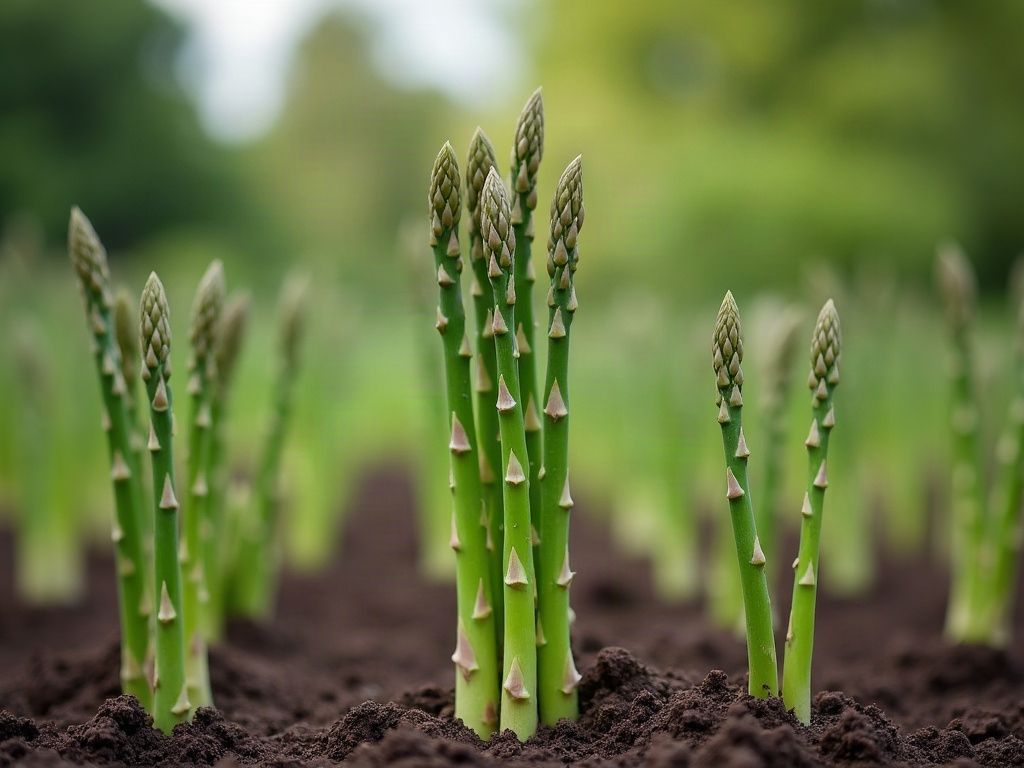
Asparagus
Asparagus asks for patience — two full seasons without picking a single spear — but rewards it with decades of harvests from the same permanent bed.
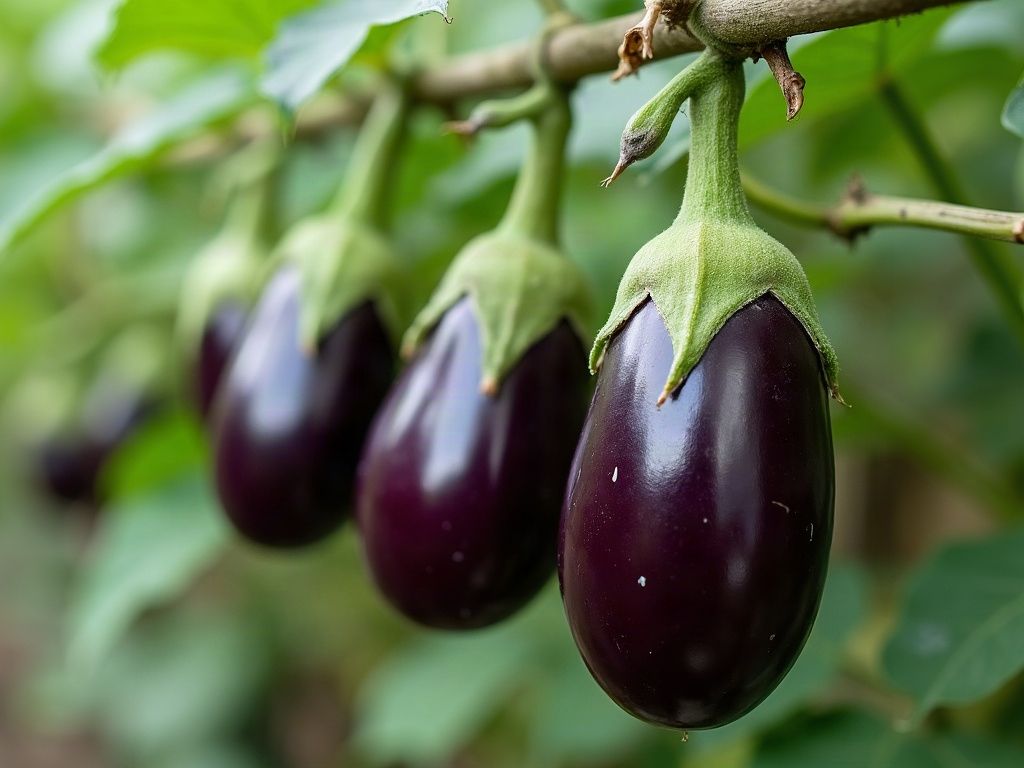
Aubergines
Aubergines demand more heat than almost anything else grown outdoors in the UK, but a glossy, homegrown fruit is a different vegetable entirely from a supermarket one.
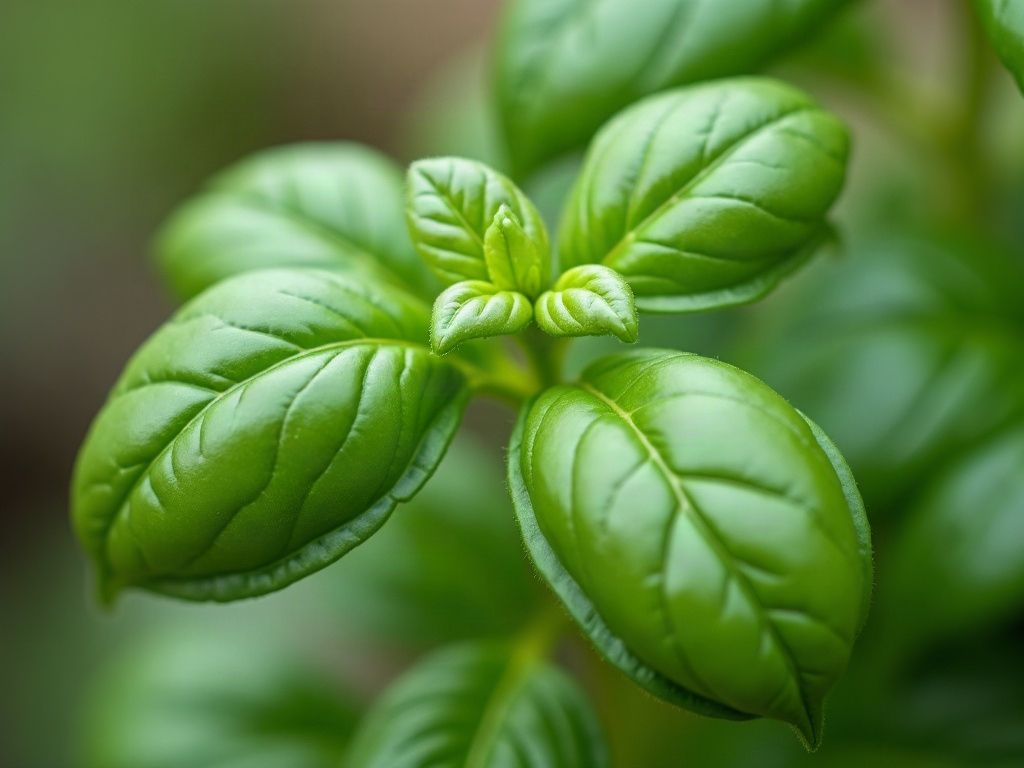
Basil
Basil left to flower stops producing the tender young leaves that make it worth growing in the first place.
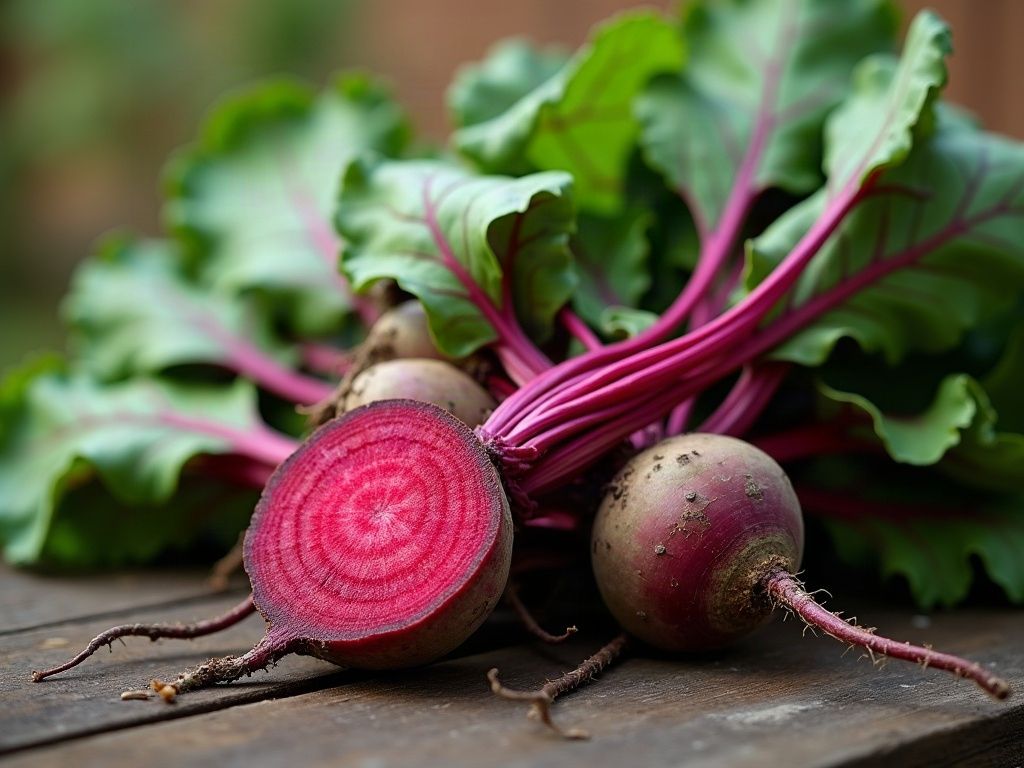
Beetroot
Beetroot is one of the rare vegetables where the whole plant earns its place — root and leaf both worth eating.
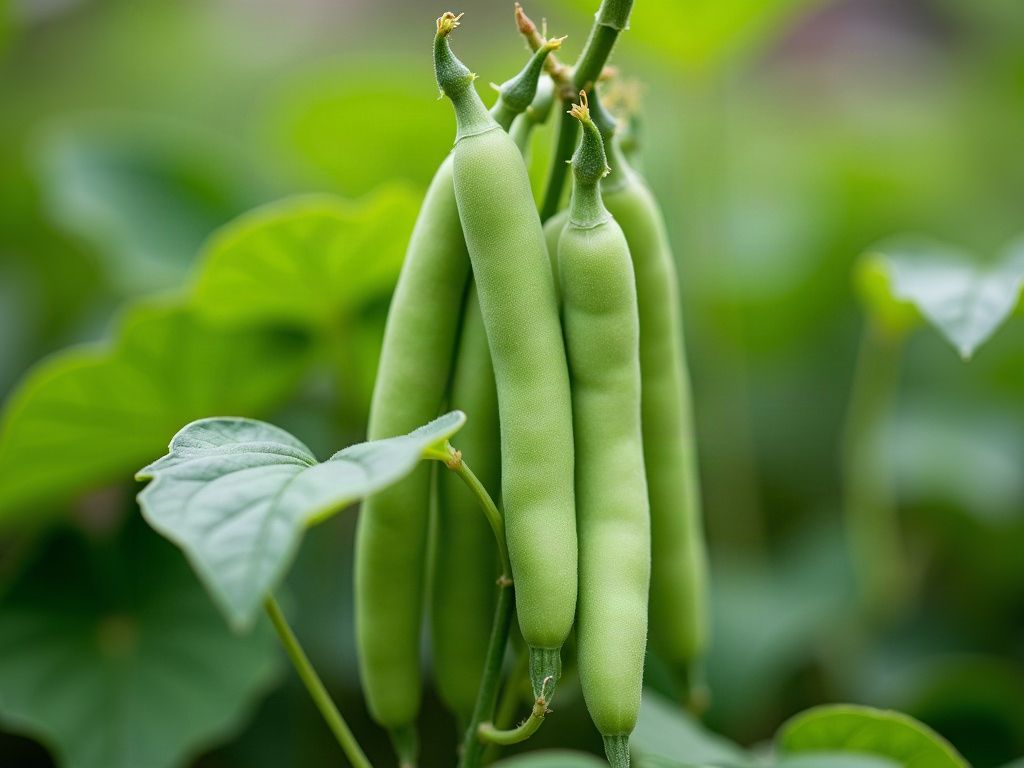
Broad Beans
Broad beans are one of the few crops that actually improve the soil they grow in, fixing nitrogen as they go.
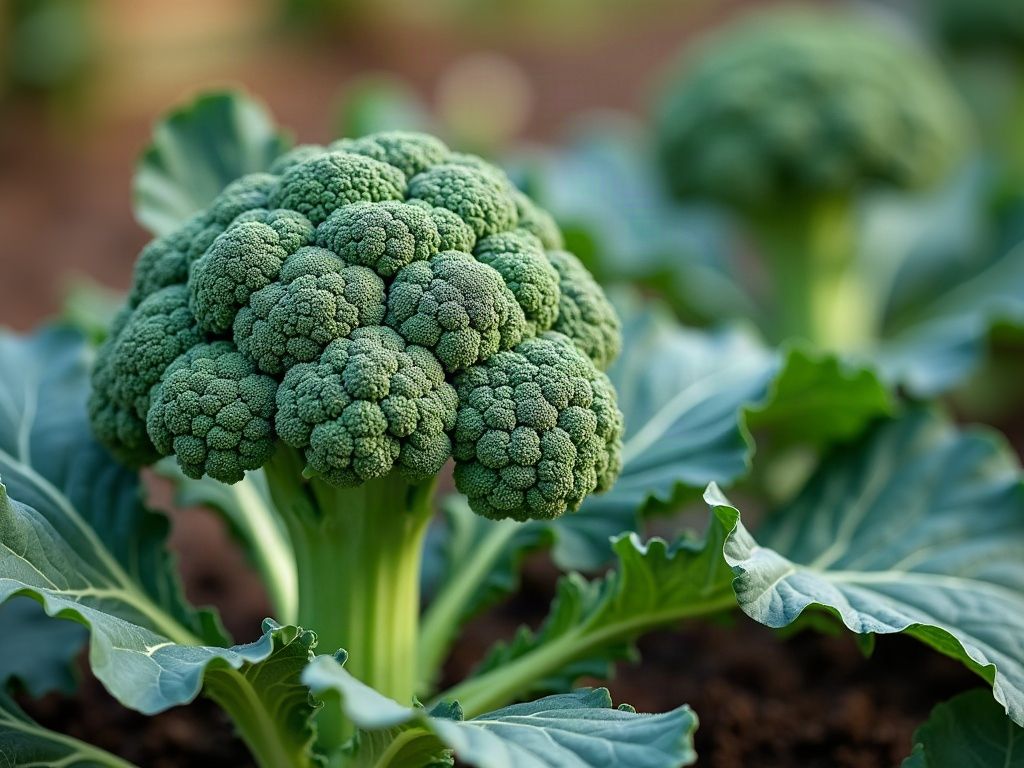
Broccoli (Calabrese)
Calabrese gives you one generous central head first, then keeps producing smaller side shoots for weeks afterwards if you leave the plant in.
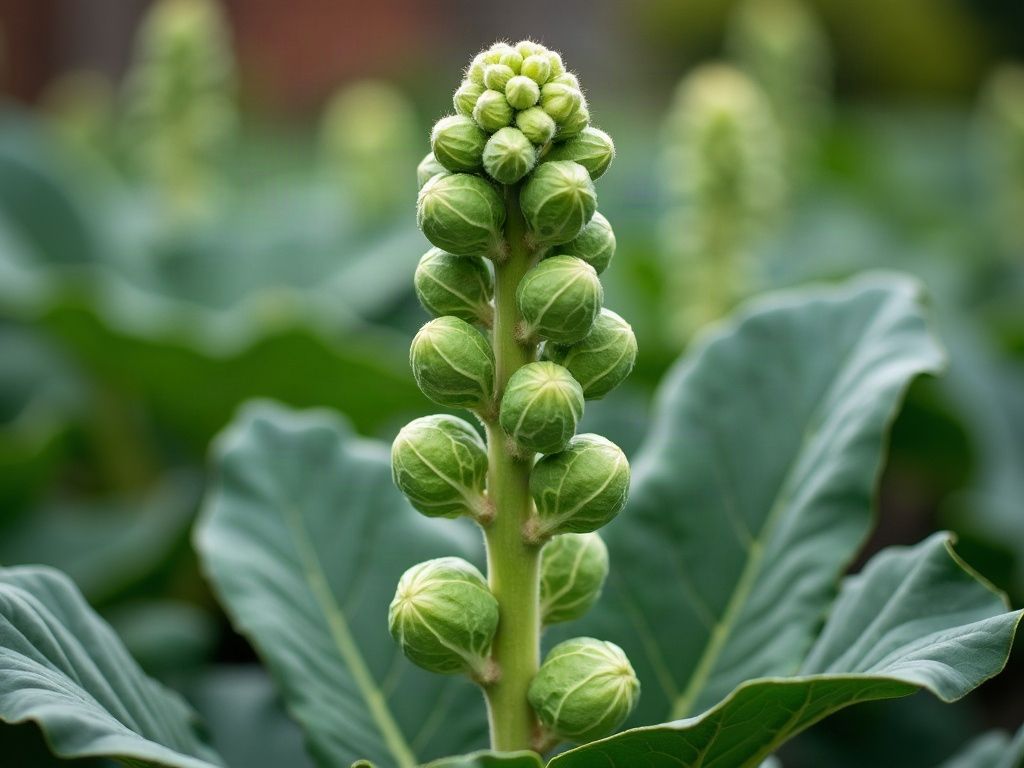
Brussels Sprouts
Brussels sprouts occupy their bed for the best part of a year for a harvest that's actually better after the first frost has hit.
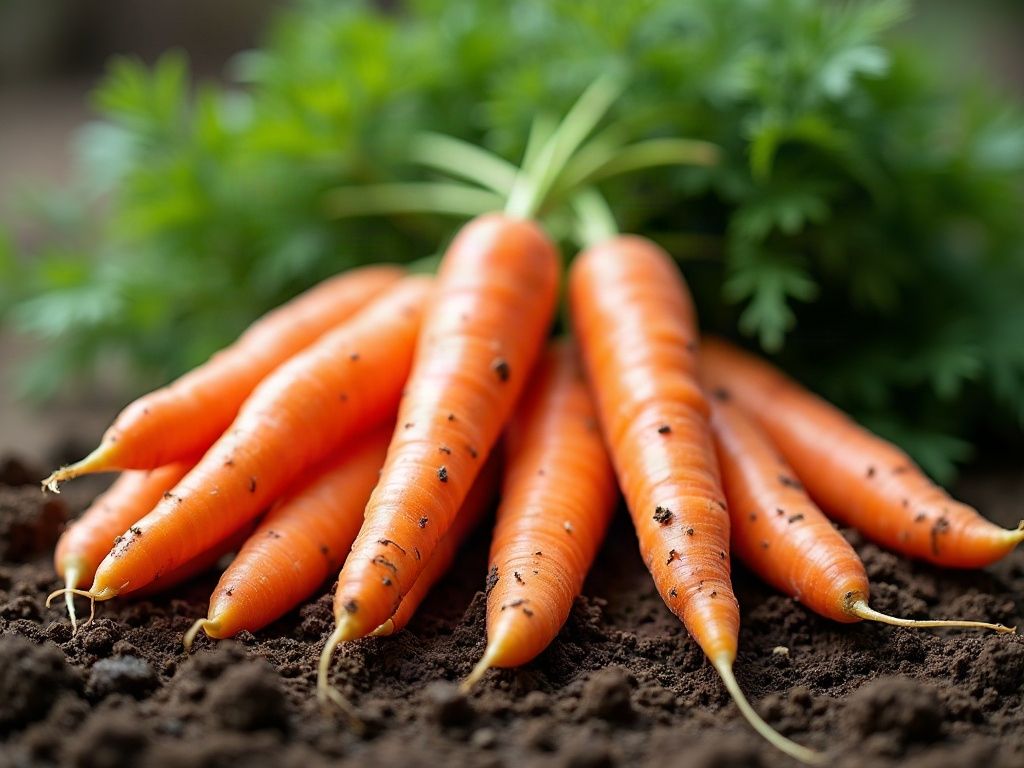
Carrots
A carrot pulled straight from the ground tastes almost nothing like the ones from a shop, which is reason enough to grow them.
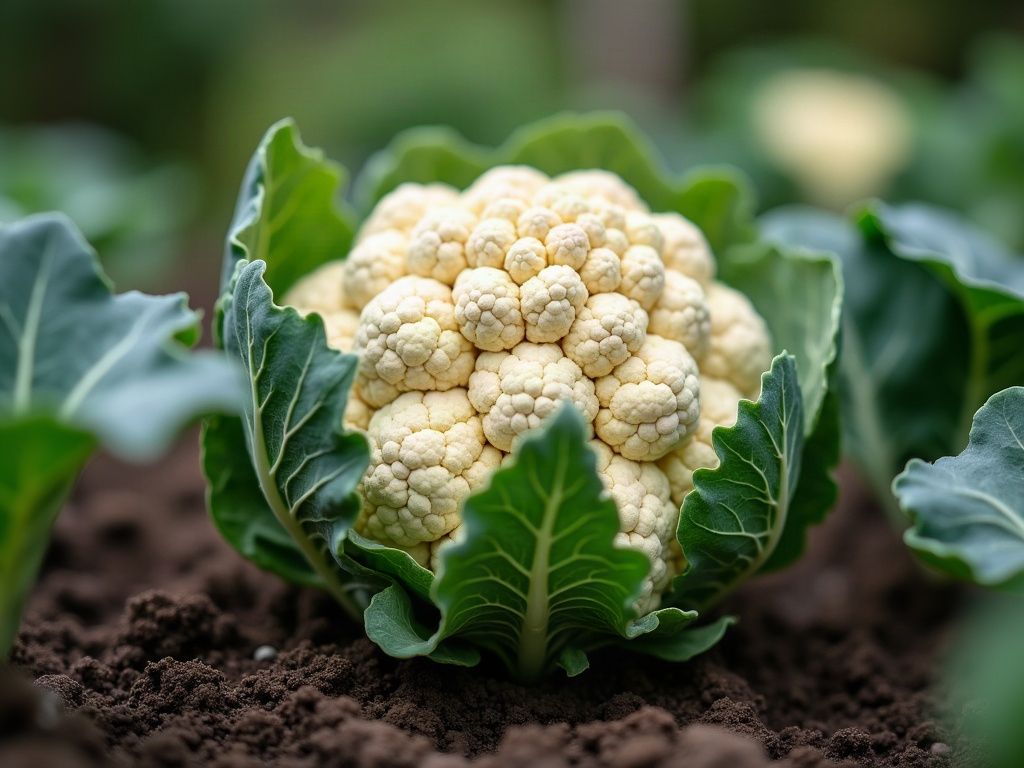
Cauliflower
Cauliflower has a reputation for being difficult because it genuinely is less forgiving than almost any other brassica.
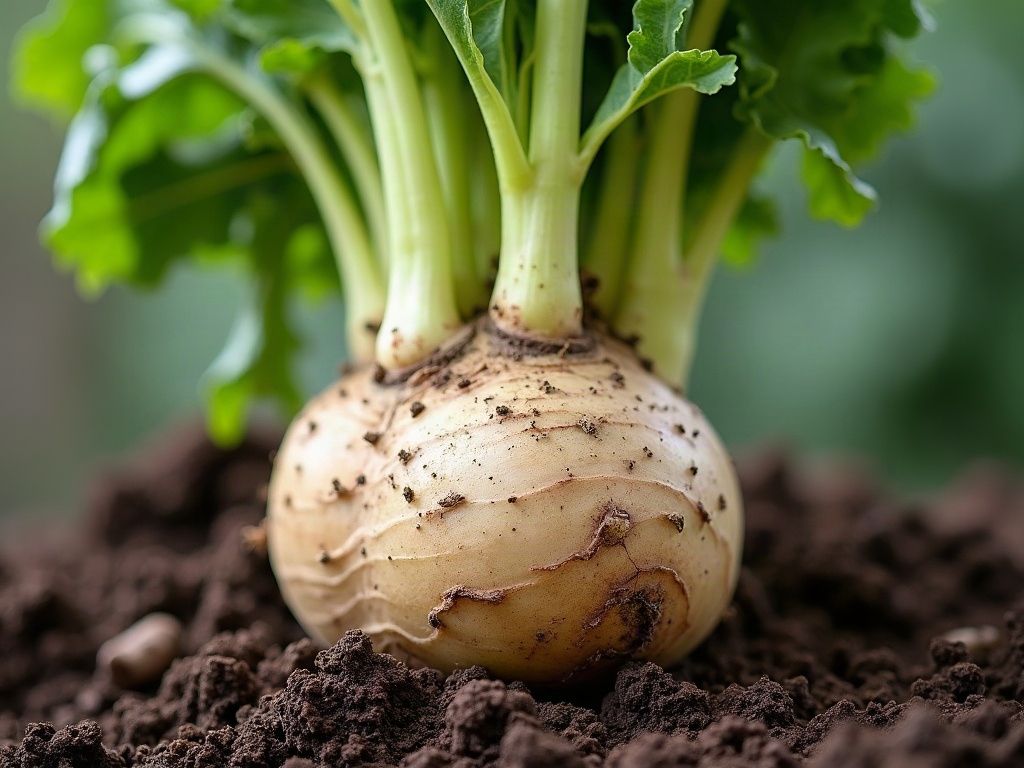
Celeriac
Celeriac takes nearly the whole growing season to bulk up, but a knobbly homegrown root has a cleaner, more concentrated celery flavour than anything from a shop.
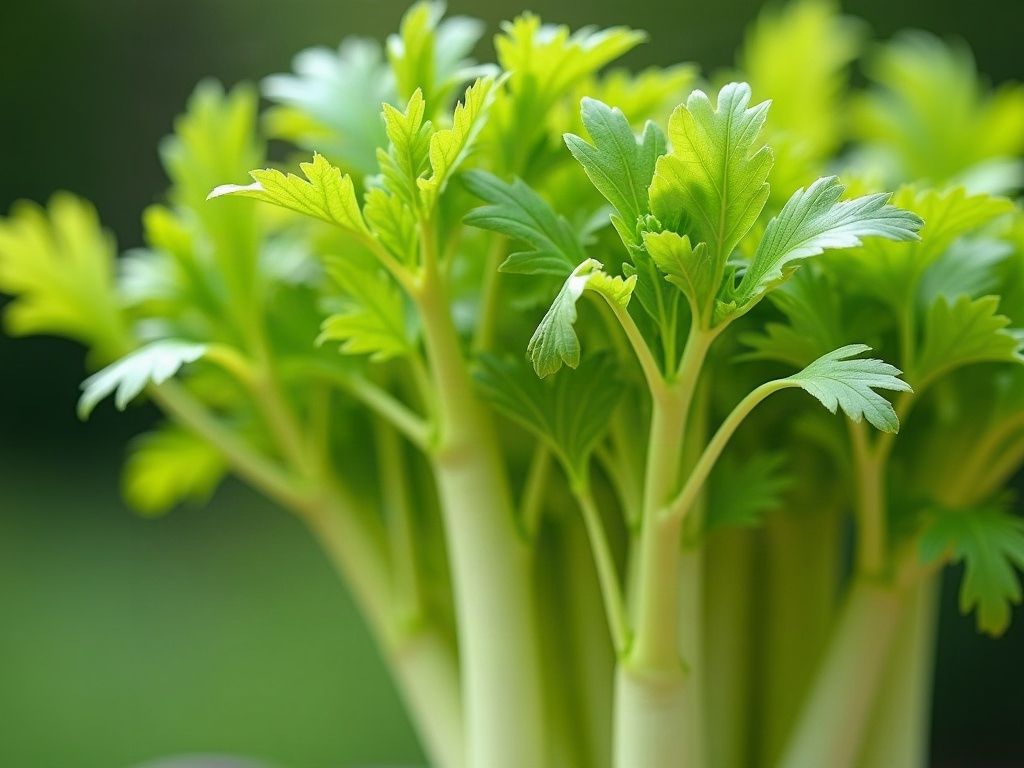
Celery
Celery has a reputation for being fussy, but a self-blanching variety grown close together in rich, moisture-retentive soil removes most of the difficulty.
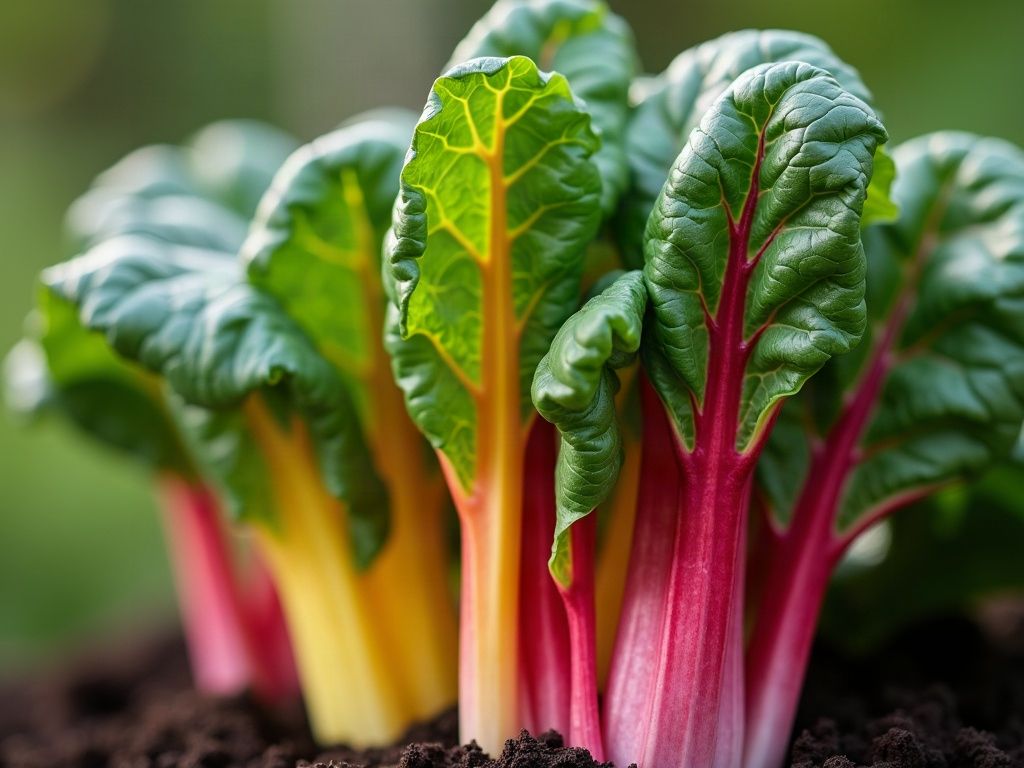
Chard
Chard will often keep producing right through a UK winter, long after spinach and most other leafy greens have given up for the year.
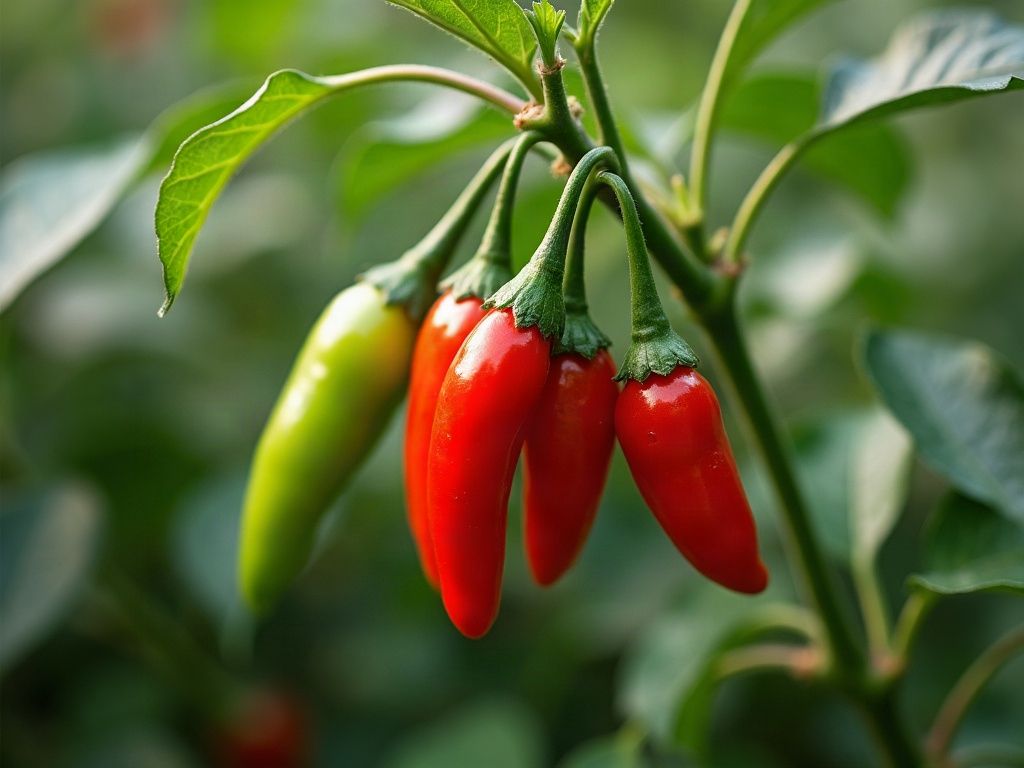
Chillies & Peppers
A single chilli plant left to ripen fully can produce far more heat, and far more fruit, than most people expect from one pot.
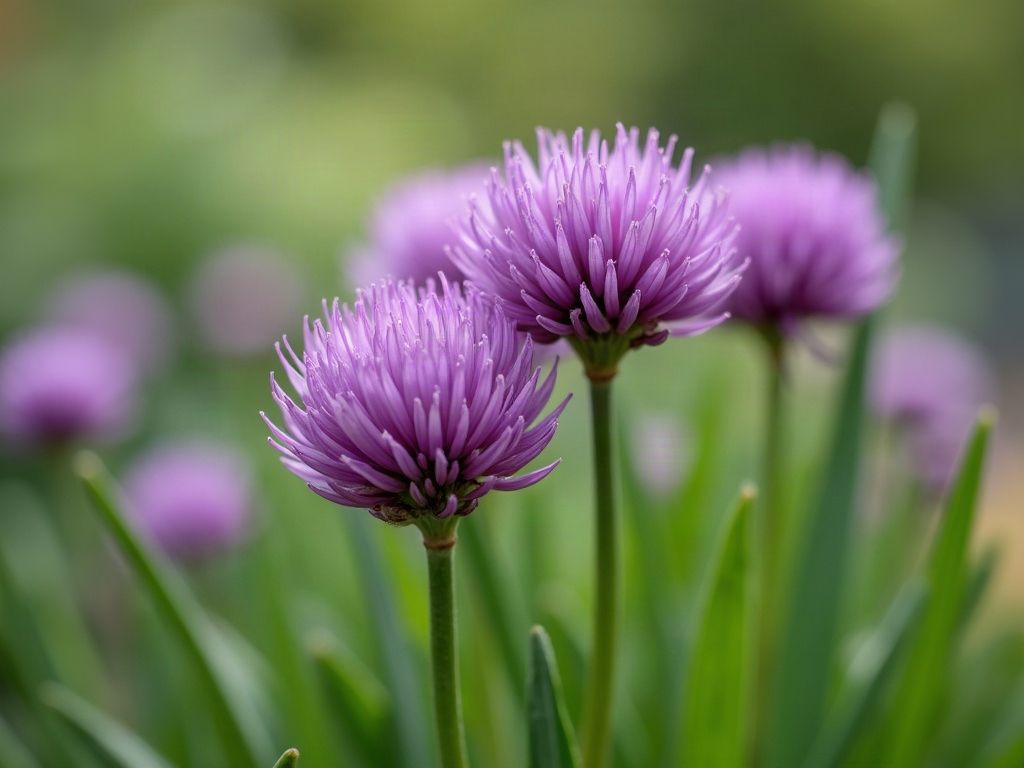
Chives
Chives come back reliably every spring with almost no input, making them one of the lowest-maintenance herbs you can grow.
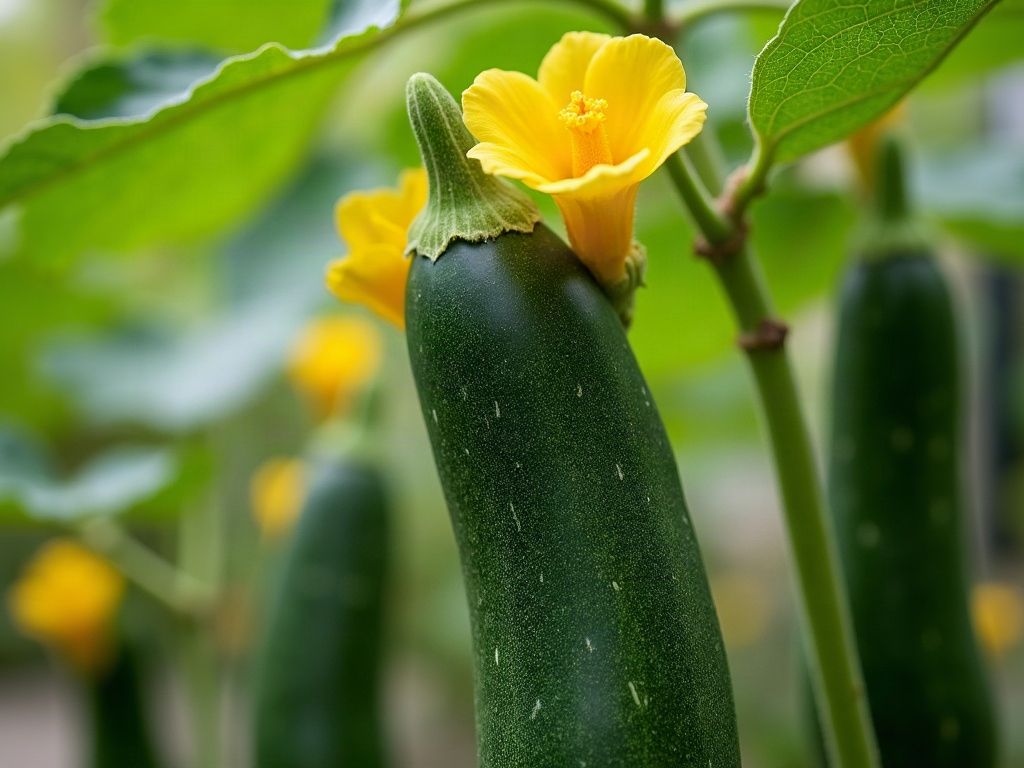
Courgettes
One courgette plant left unchecked for a week can quietly turn into a marrow the size of your forearm.
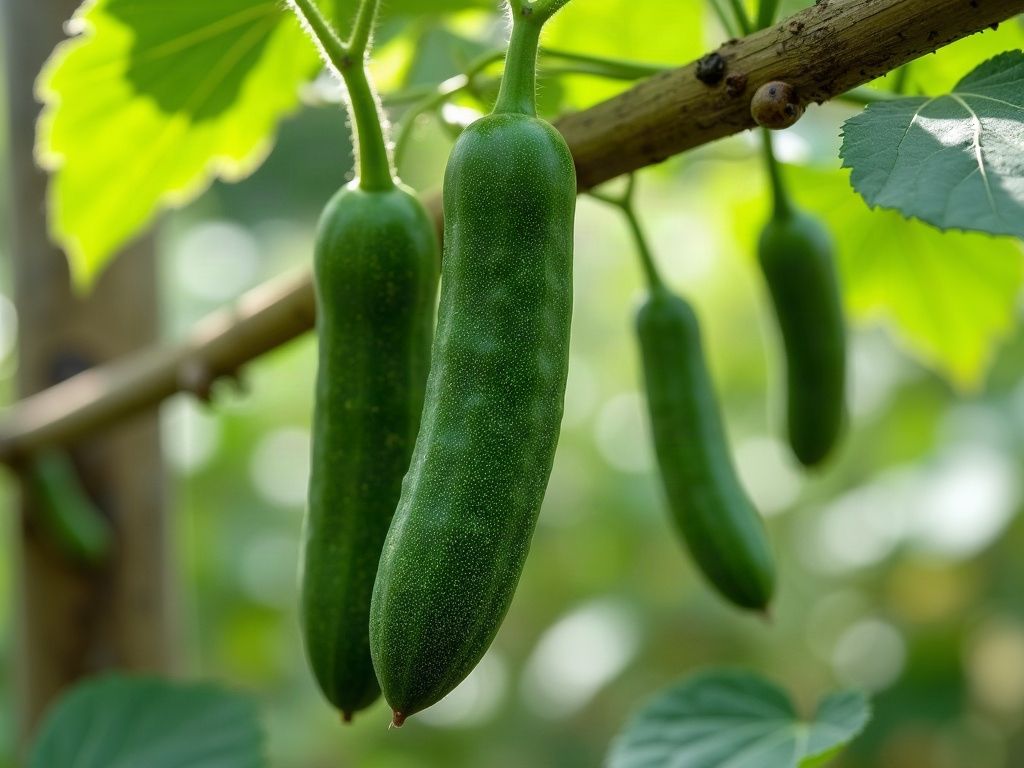
Cucumbers
Cucumbers are unusually sensitive to inconsistency — get the watering right and they reward you generously.
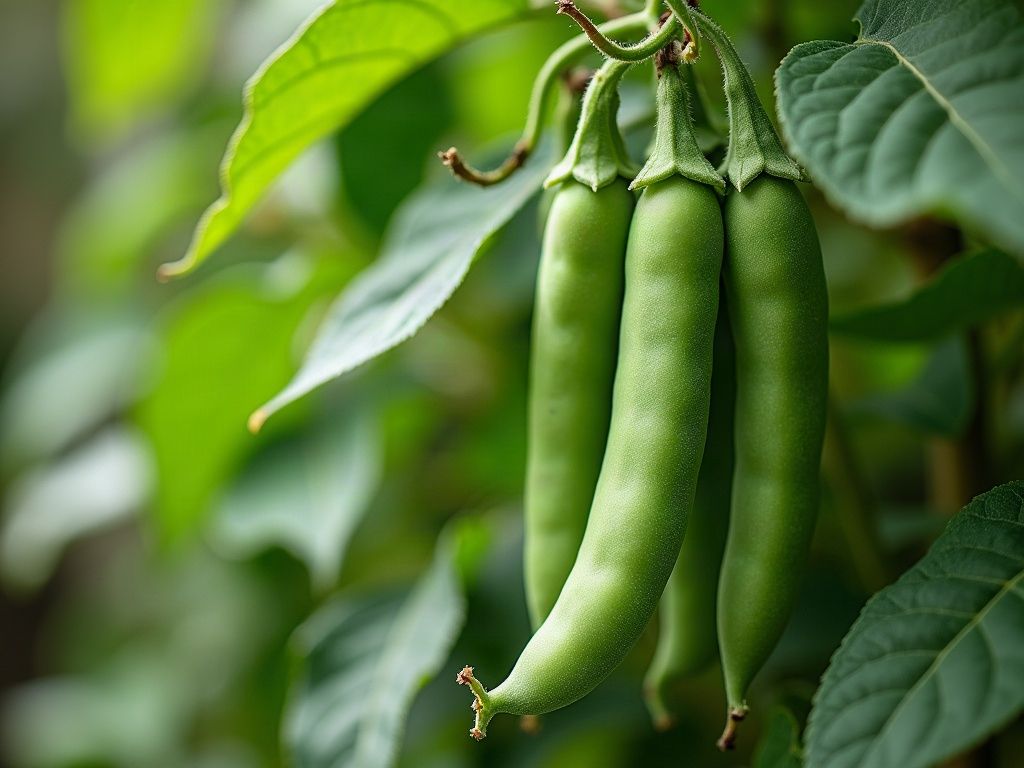
French Beans
French beans reward almost no effort with one of the steadiest harvests in the vegetable garden.
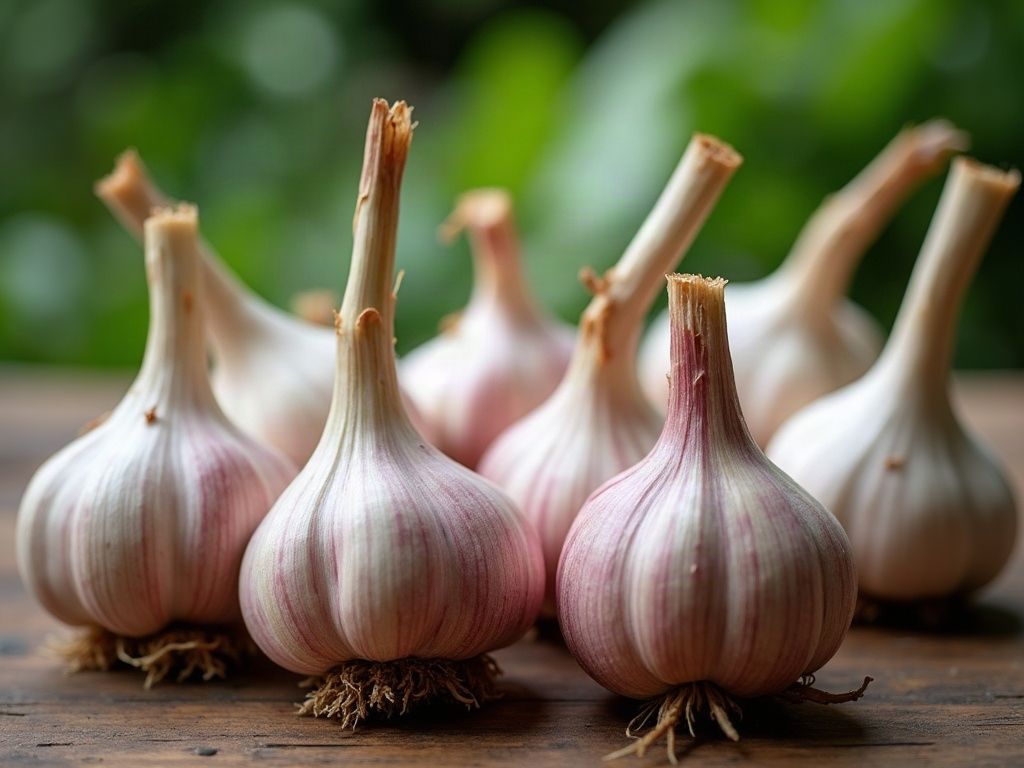
Garlic
Garlic asks for almost nothing over its ten-month growing season, which makes it one of the most forgiving crops you can plant.
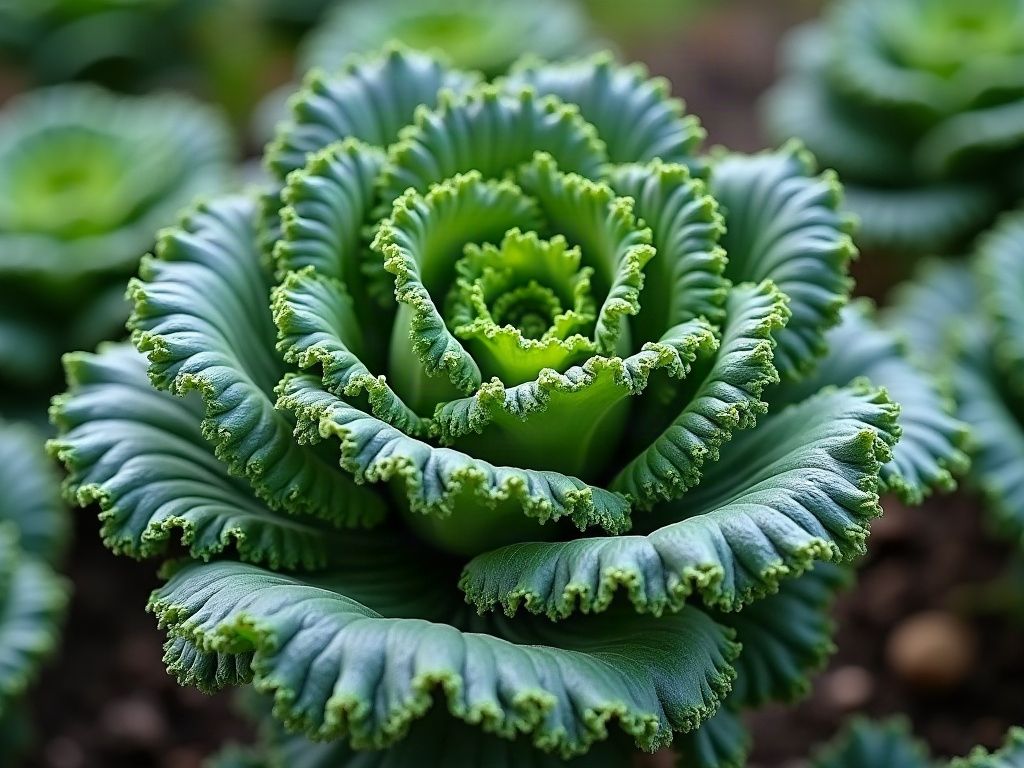
Kale
Kale is one of the few crops that gets better, not worse, the longer winter drags on.
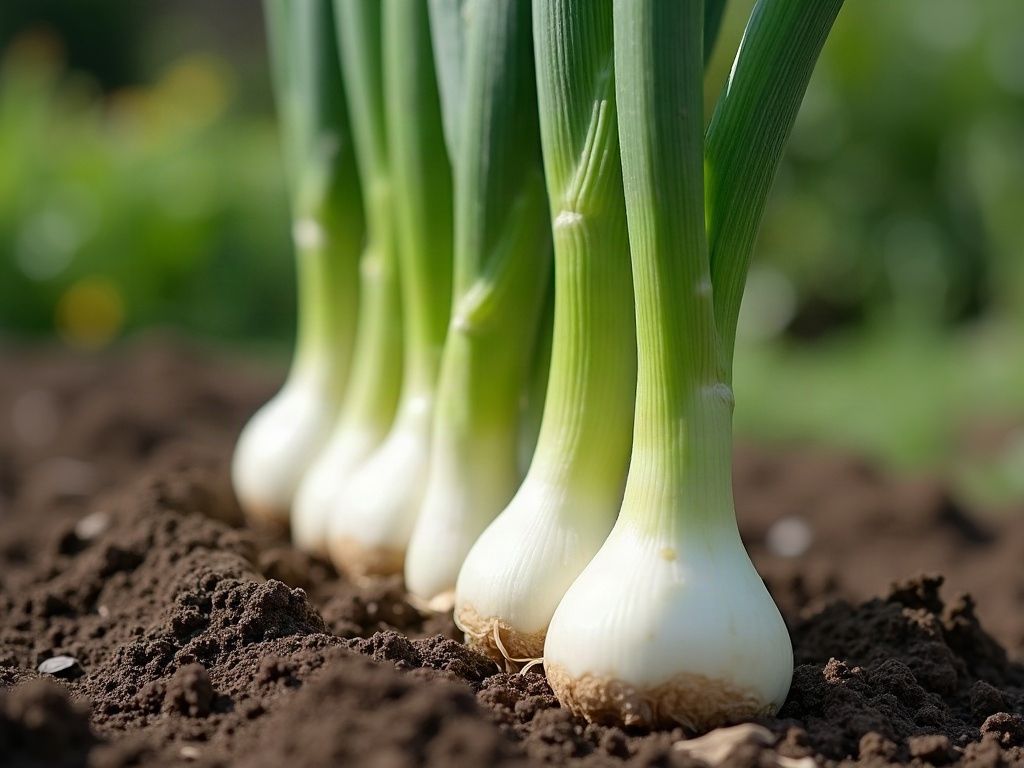
Leeks
Leeks quietly hold their ground through the depths of winter, ready exactly when the rest of the garden has little to offer.
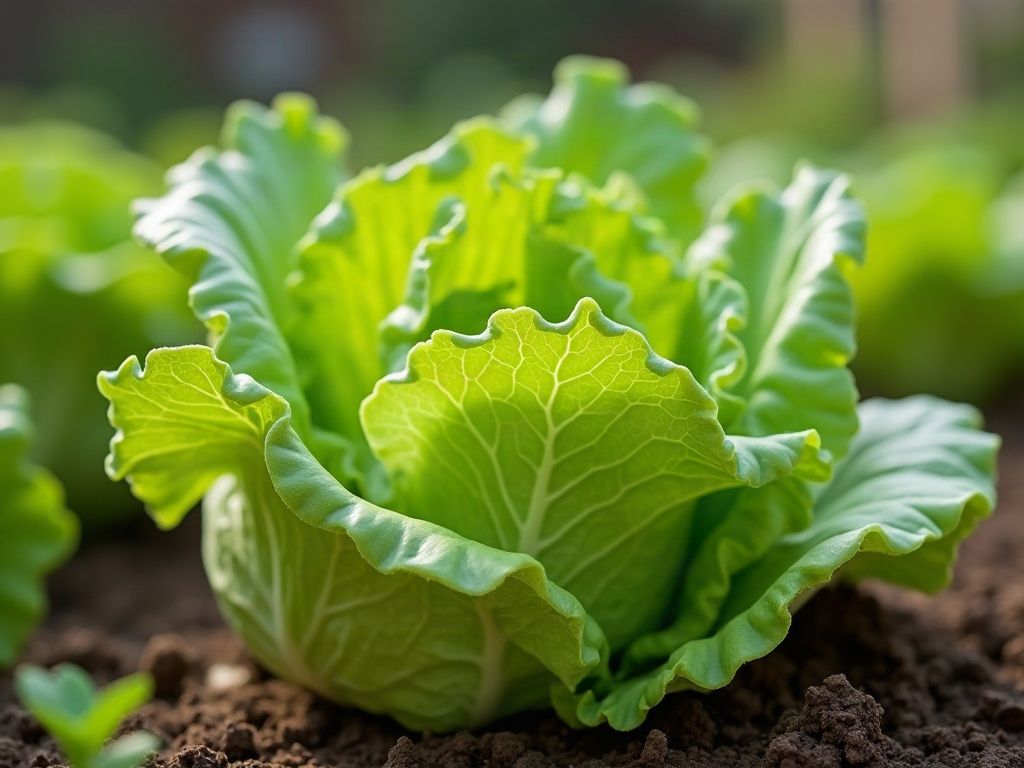
Lettuce
Lettuce is the crop that makes a vegetable patch feel productive within weeks, not months.
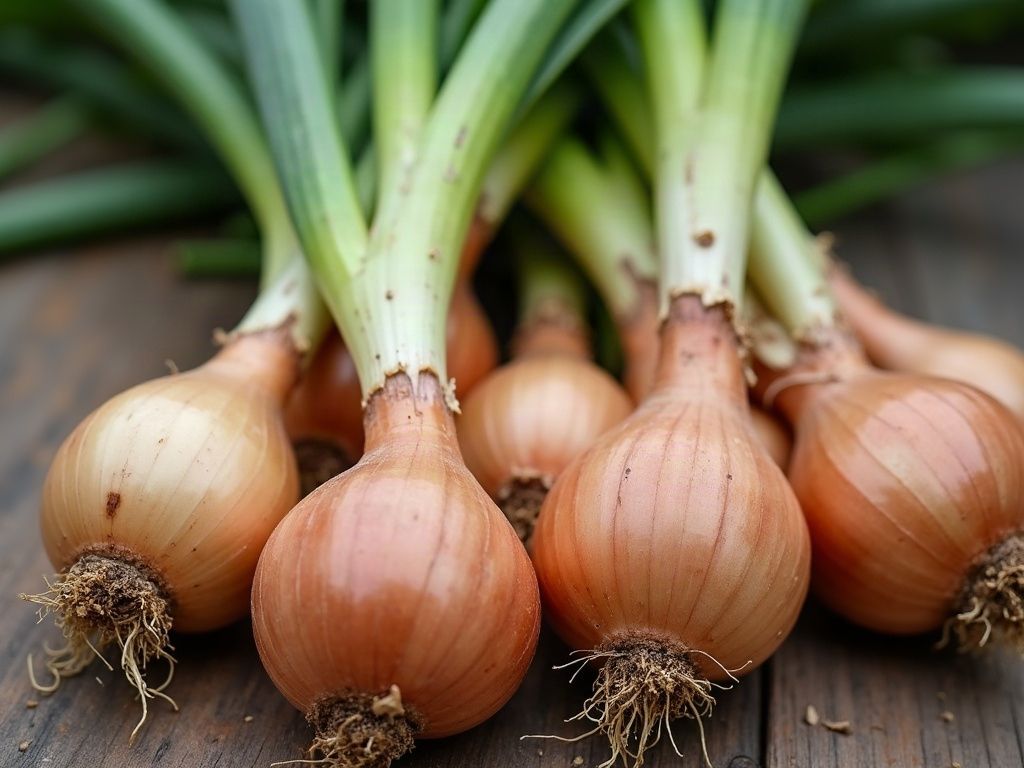
Onions
Onions store for months if you get the harvest right, turning one planting session into a winter's worth of meals.
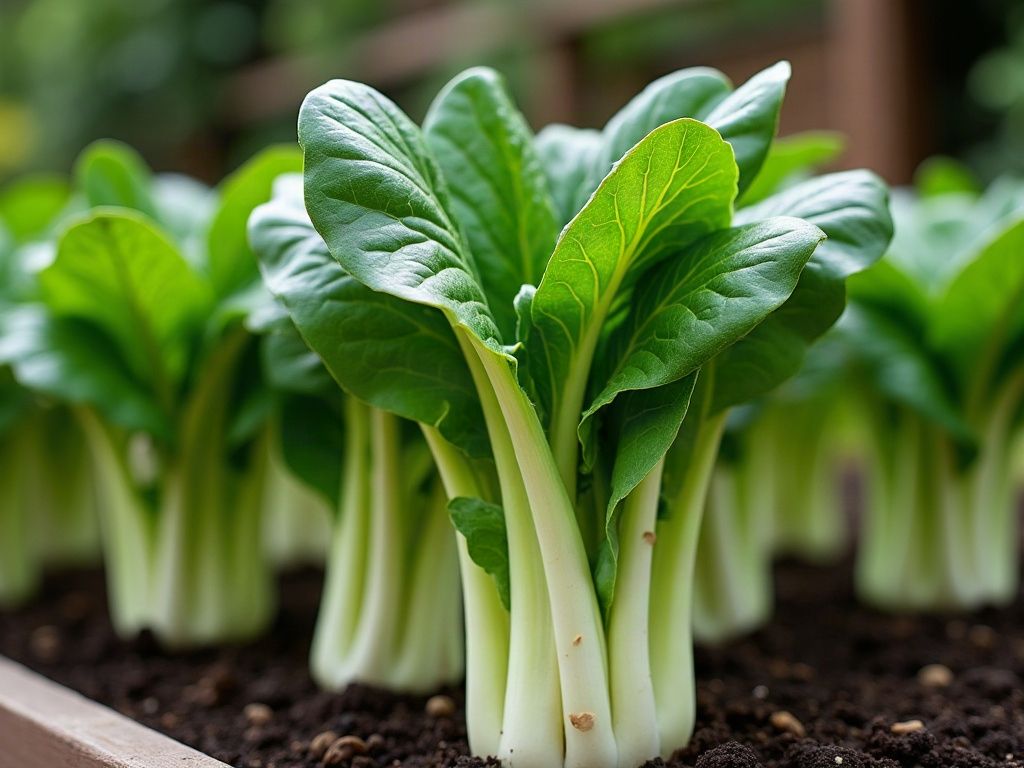
Pak Choi
Pak choi grows faster than almost anything else in the vegetable patch, which is exactly why it's so quick to bolt the moment something checks its growth.
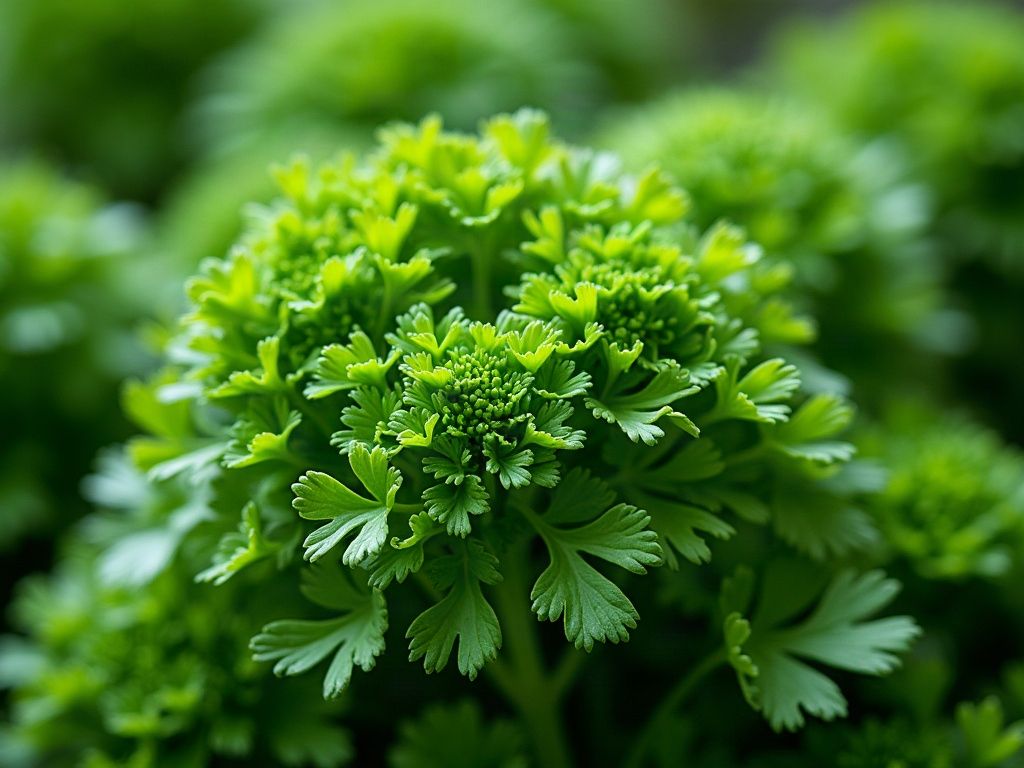
Parsley
Parsley tests most new gardeners' patience before it tests their growing skill — it is simply slow to appear.
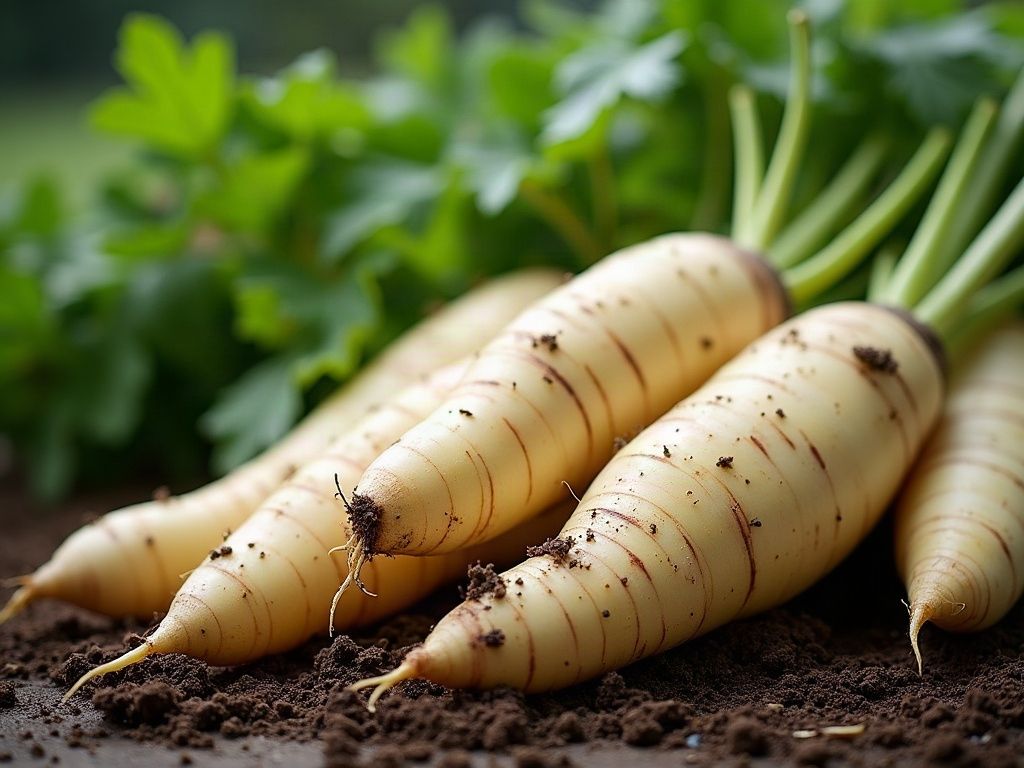
Parsnips
Parsnips reward patience above almost any other root crop — most of their flavour only develops after a frost.
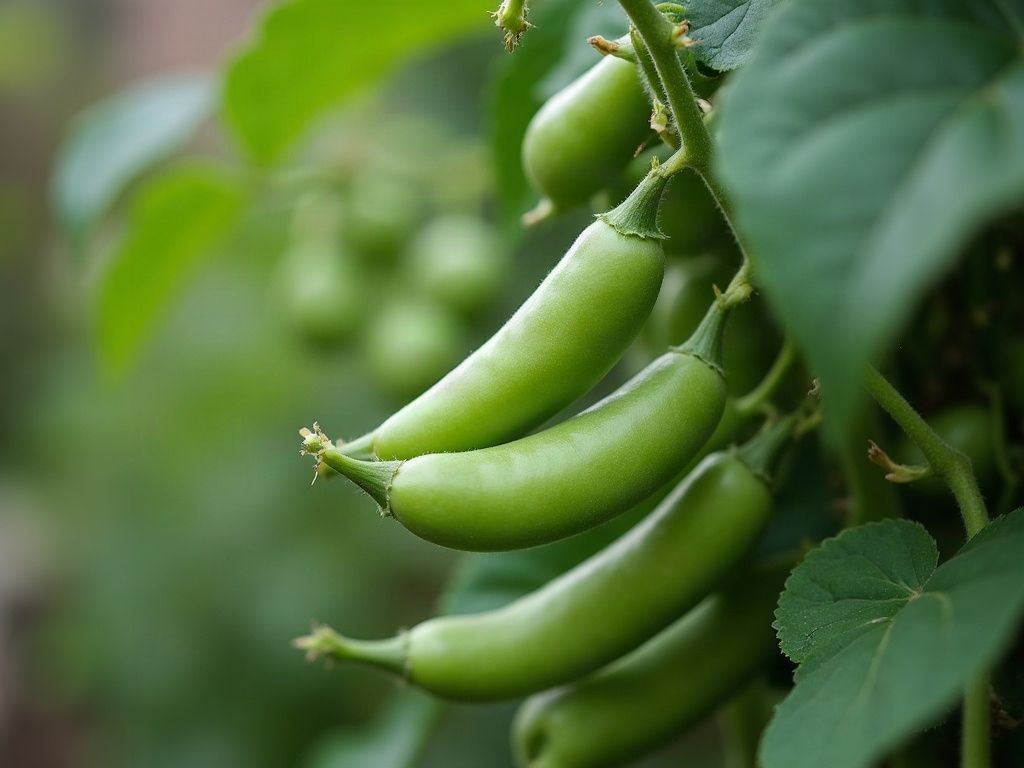
Peas
Fresh peas eaten straight from the pod barely resemble the tinned version, and rarely make it as far as the kitchen.
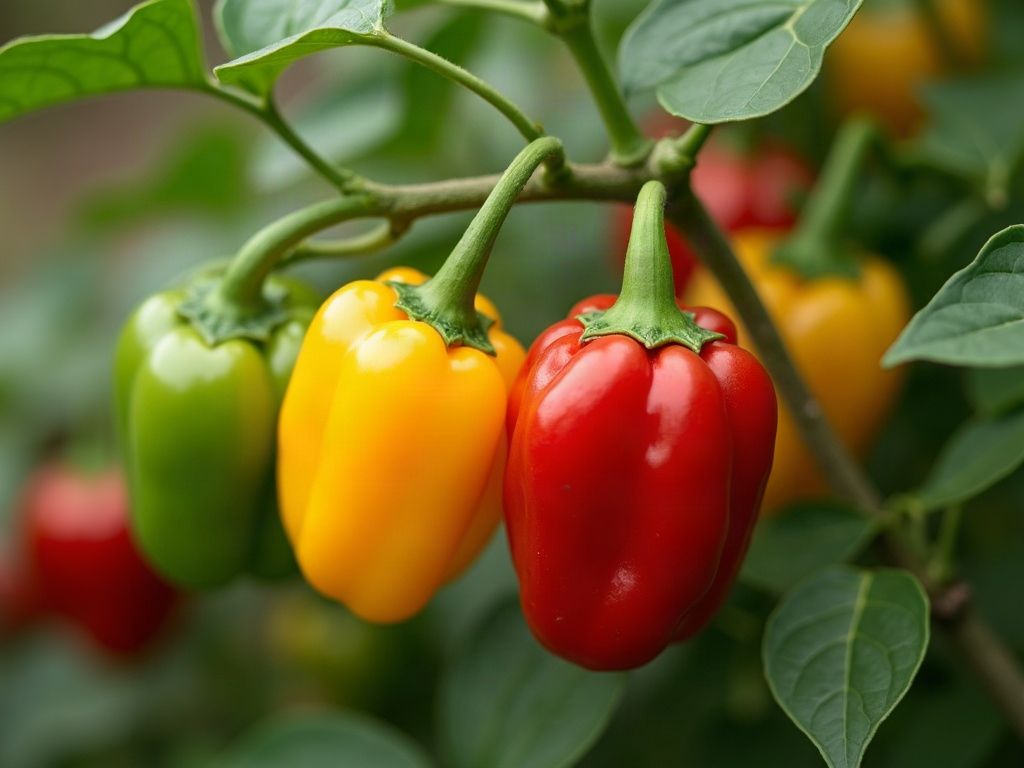
Peppers
Sweet peppers need more warmth than most UK gardens offer outdoors, but a sheltered, sunny spot turns that into a genuine glut by late summer.
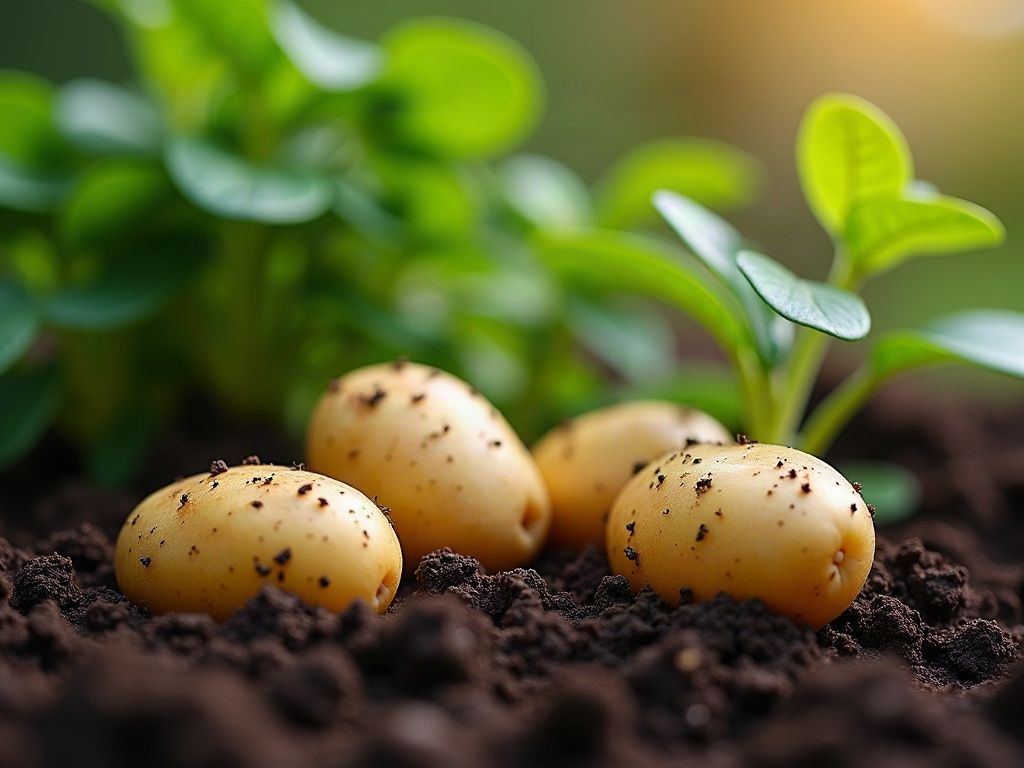
Potatoes
There's a genuine thrill in digging into the soil to find out how many potatoes actually grew, since you can't see a thing from above.
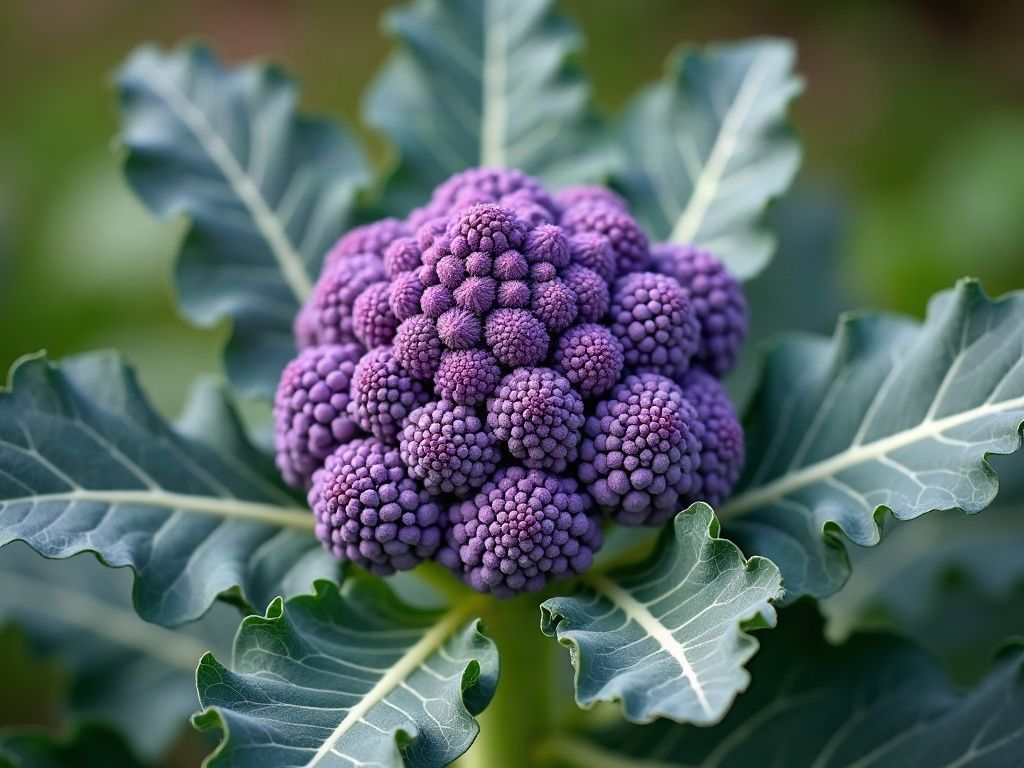
Purple Sprouting Broccoli
Purple sprouting broccoli asks for almost a full year in the ground for a harvest that lands right when little else is ready.
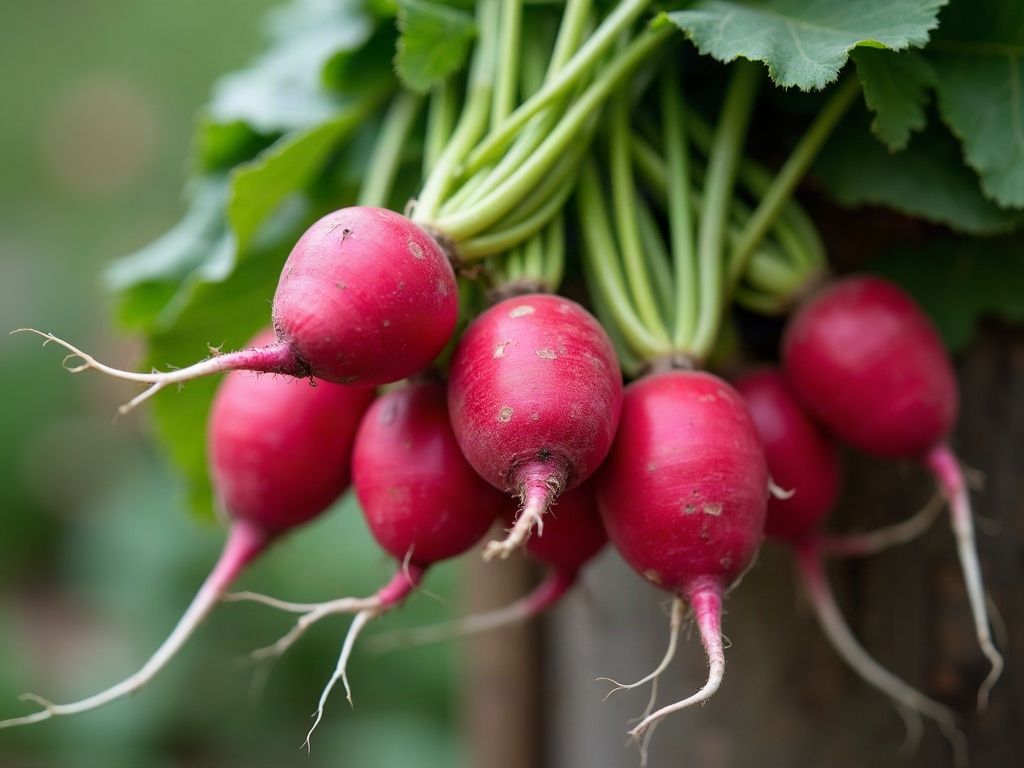
Radishes
Radishes go from seed to plate faster than almost anything else you can grow, which makes them oddly satisfying for beginners.
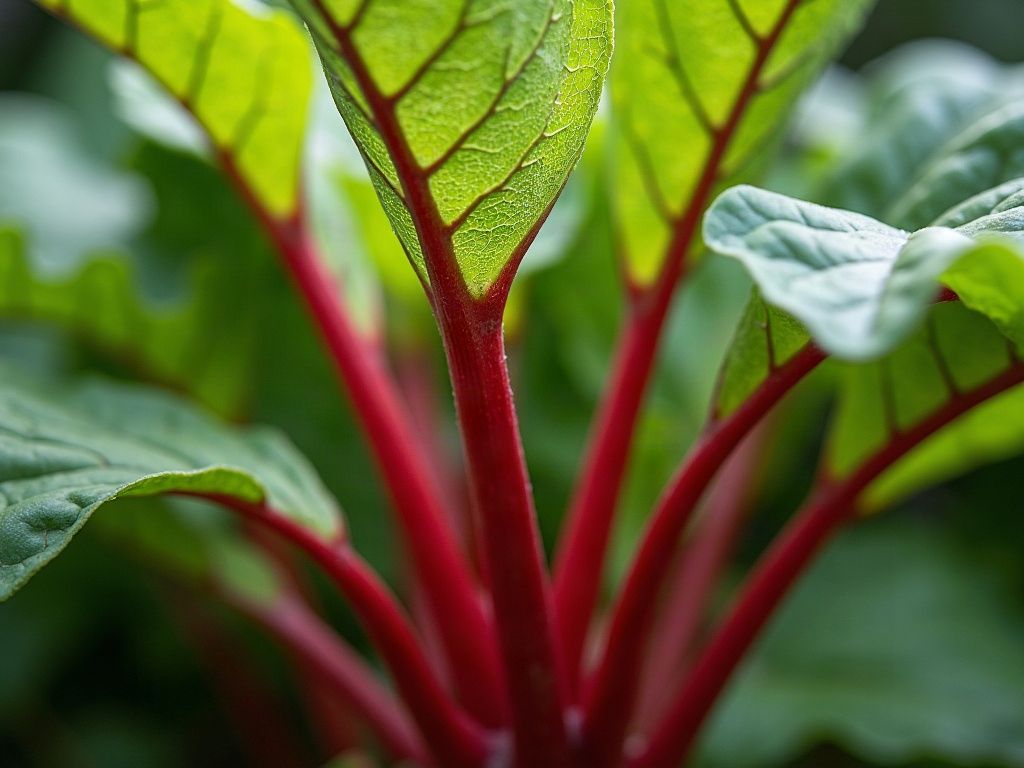
Rhubarb
A rhubarb crown, once established, can keep producing for a decade or more with barely any attention.
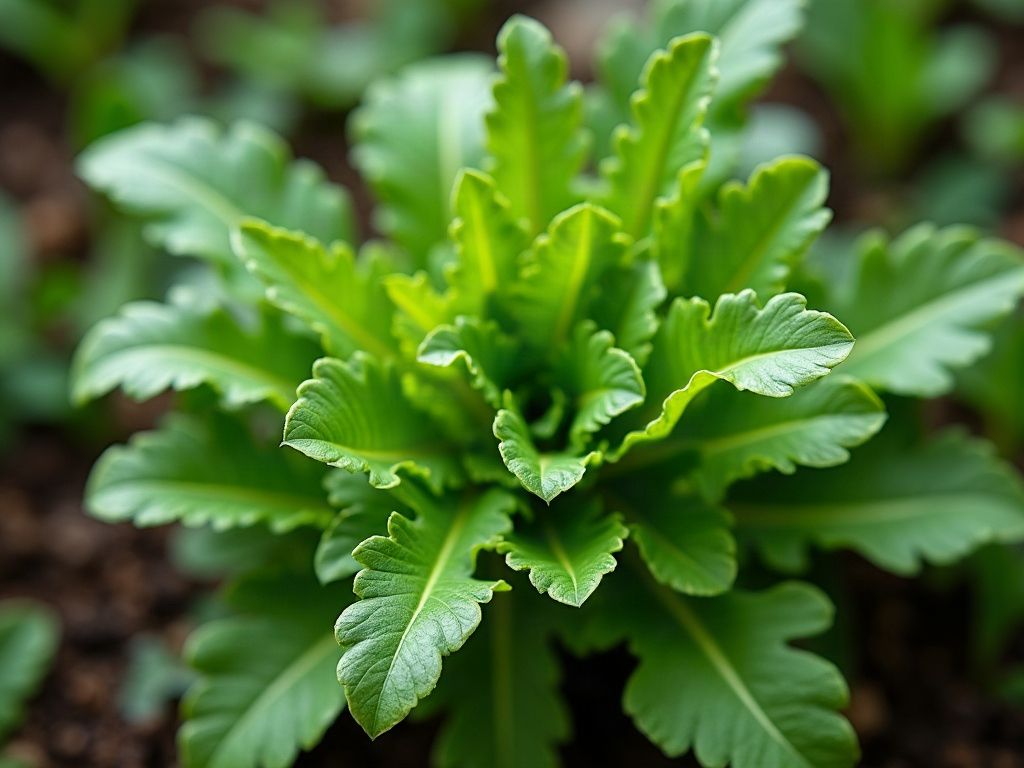
Rocket
Rocket is one of the fastest, laziest crops to grow — ready in weeks, and it keeps giving if you pick leaves rather than pulling whole plants.
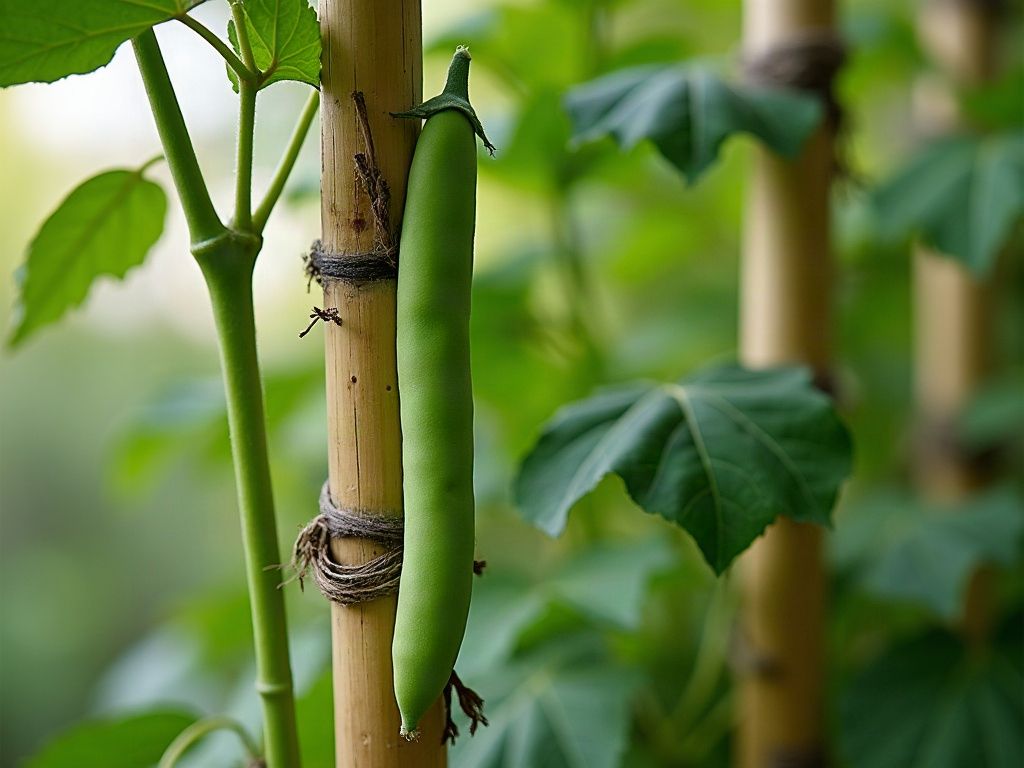
Runner Beans
A single wigwam of runner beans can keep a family in fresh veg for most of the summer.
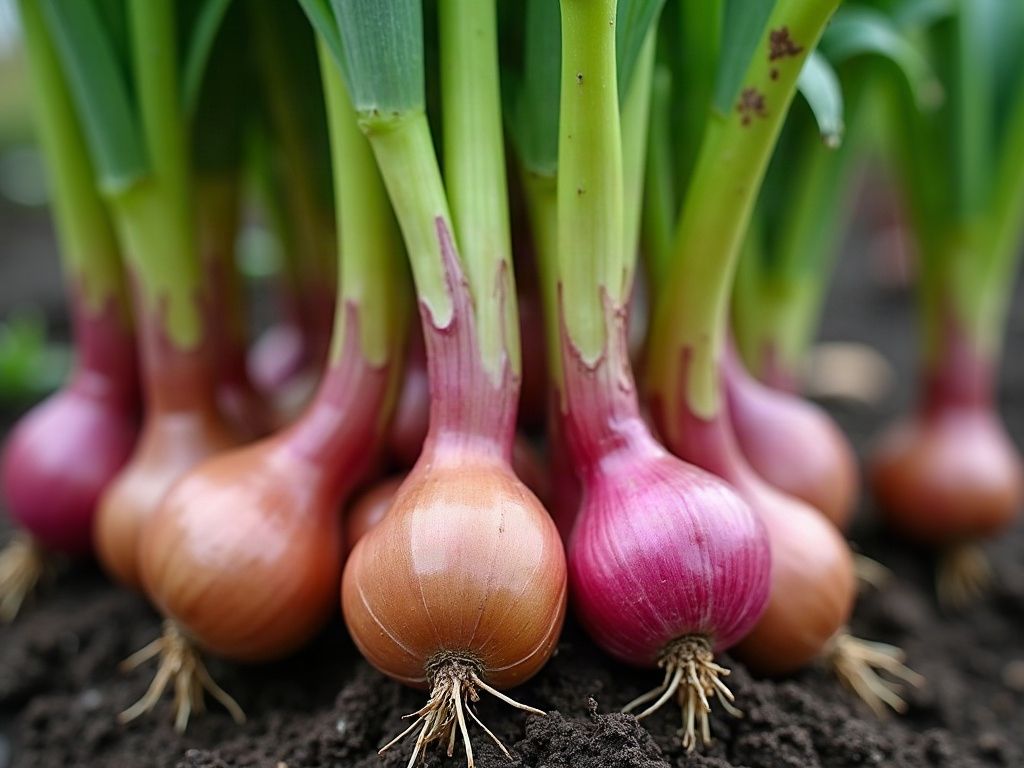
Shallots
Shallots ask for almost nothing between planting and lifting, splitting quietly underground into a cluster of bulbs from each single set.
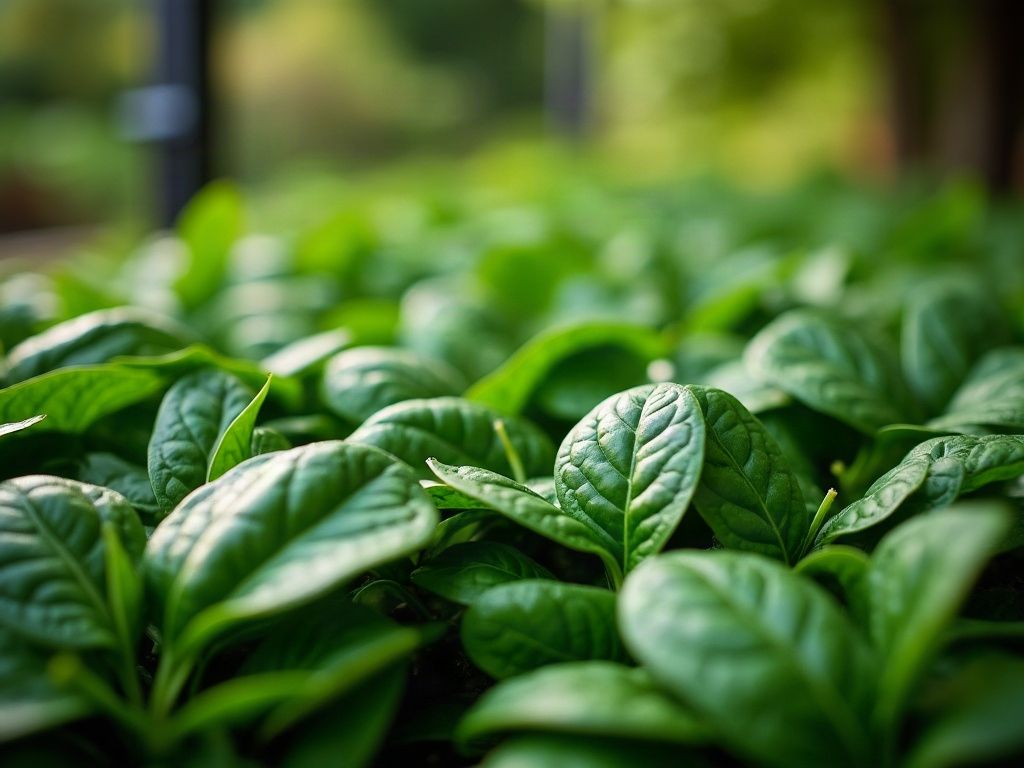
Spinach
Spinach can bolt to seed within days of a hot spell, so timing and watering matter more here than for almost any other leafy green.
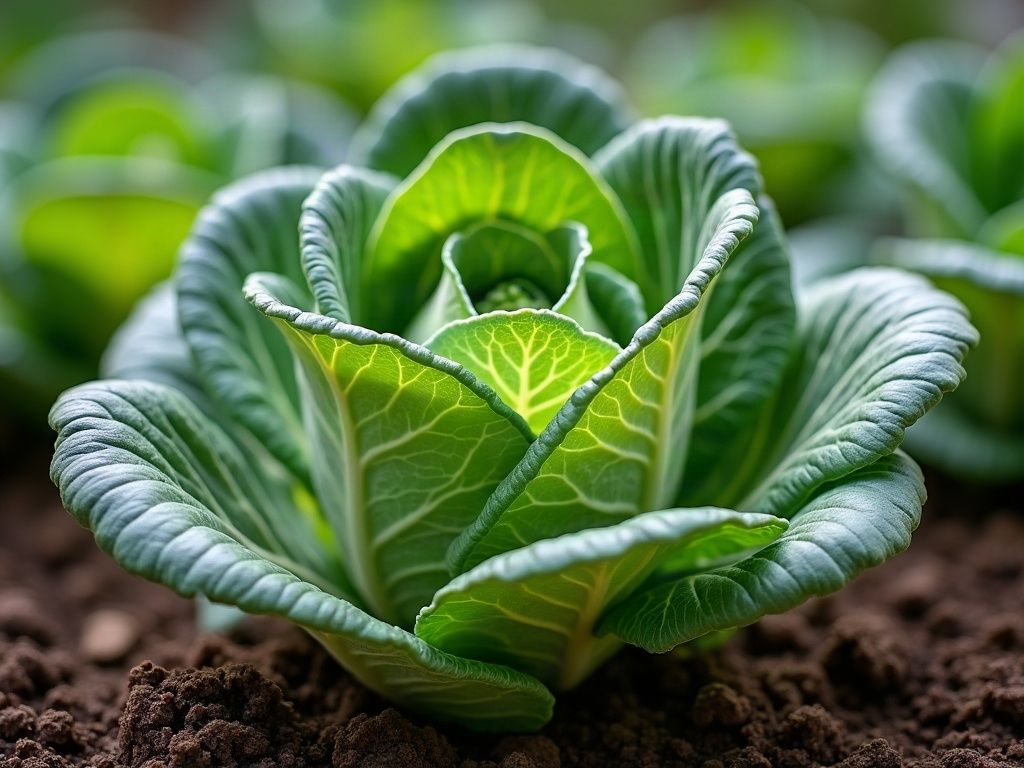
Spring Cabbage
Spring cabbage fills the 'hungry gap' — the weeks in early spring when almost nothing else in the garden is ready.
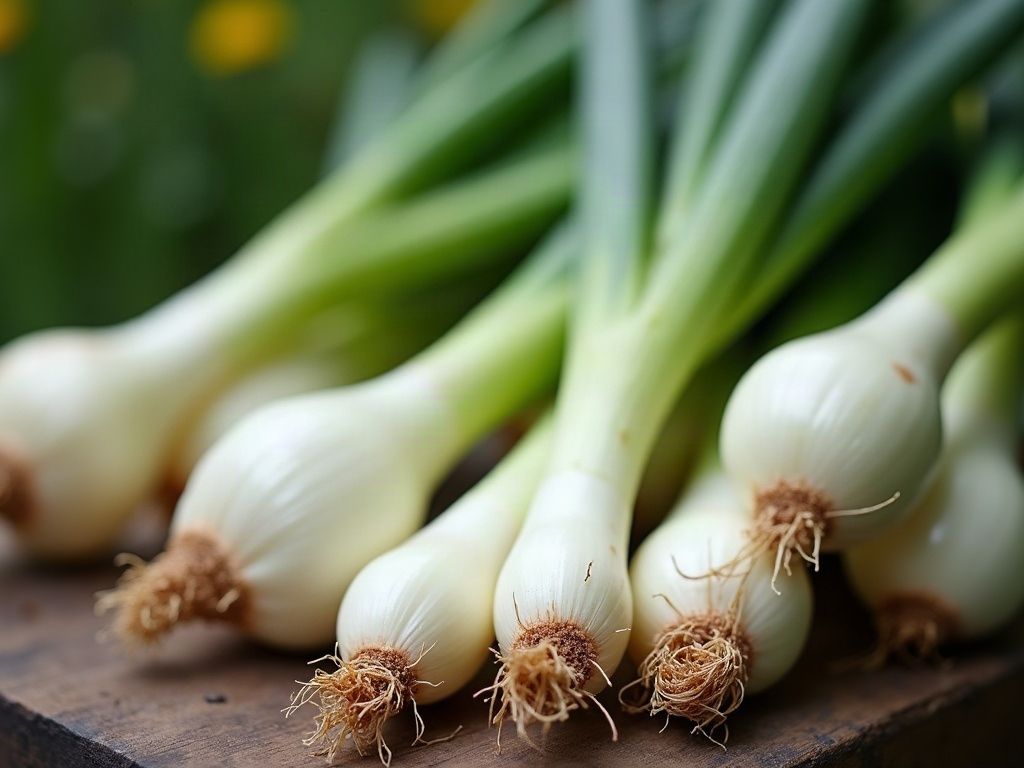
Spring Onions
Spring onions are one of the easiest ways to get a genuinely useful harvest from a very small patch of ground.
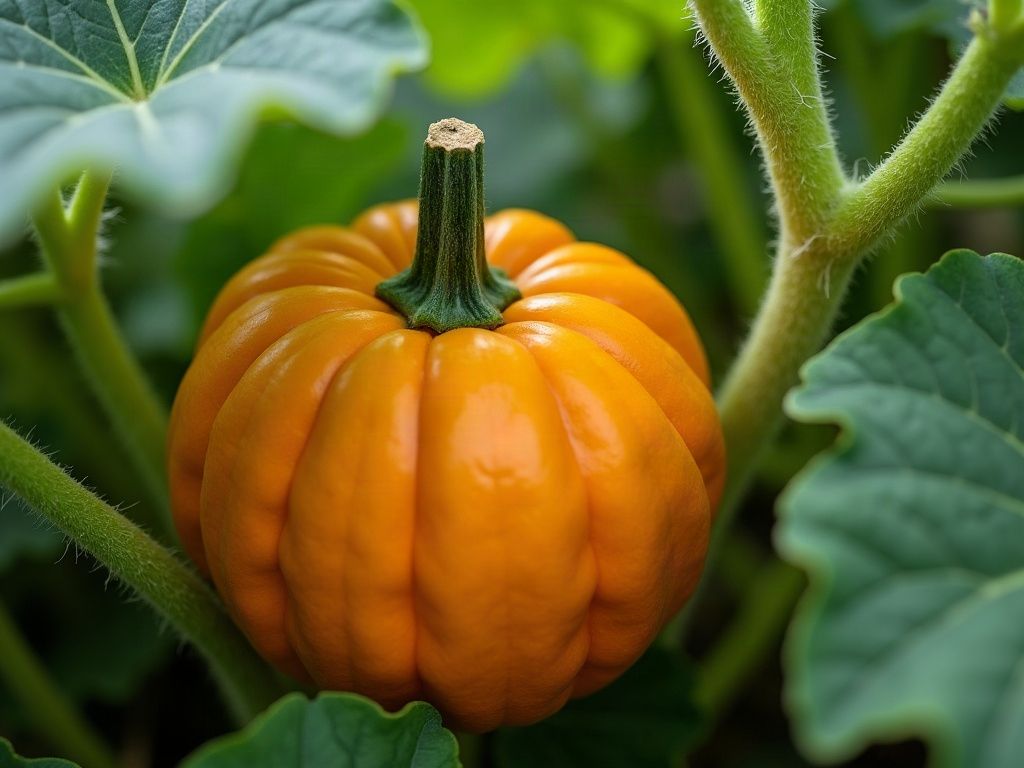
Squash & Pumpkins
A single squash or pumpkin plant can sprawl across several square metres, so it repays a bit of forward planning on space.
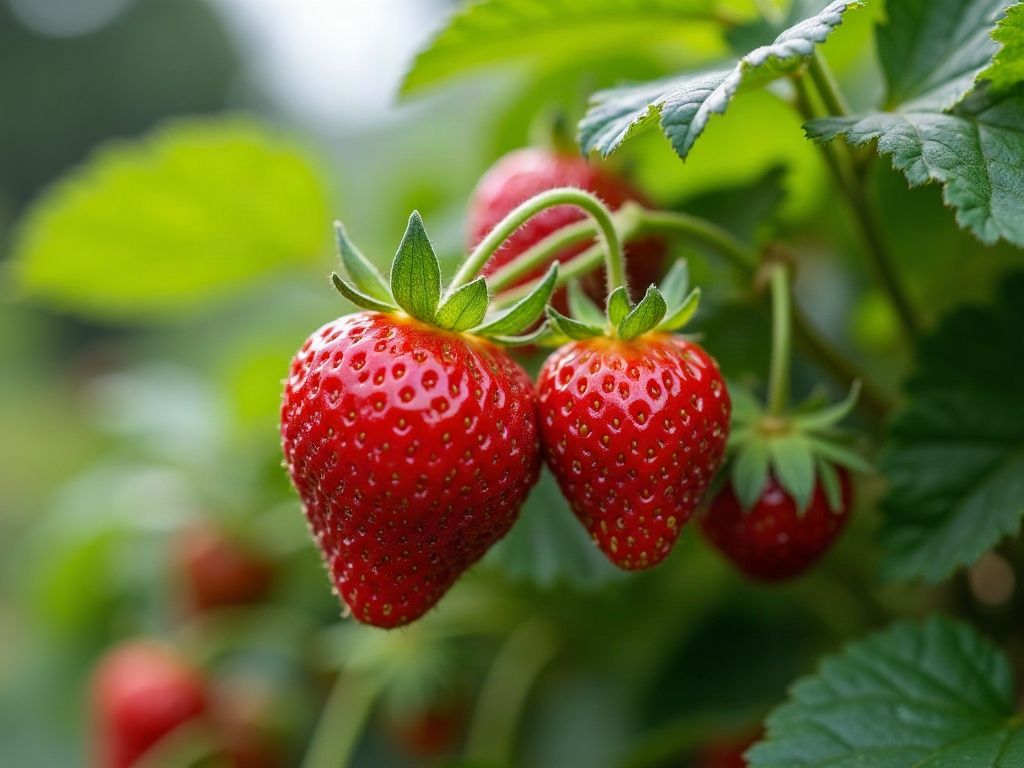
Strawberries
A well-kept strawberry bed can produce fruit for several years from a single planting, if it's replaced on a rolling cycle.
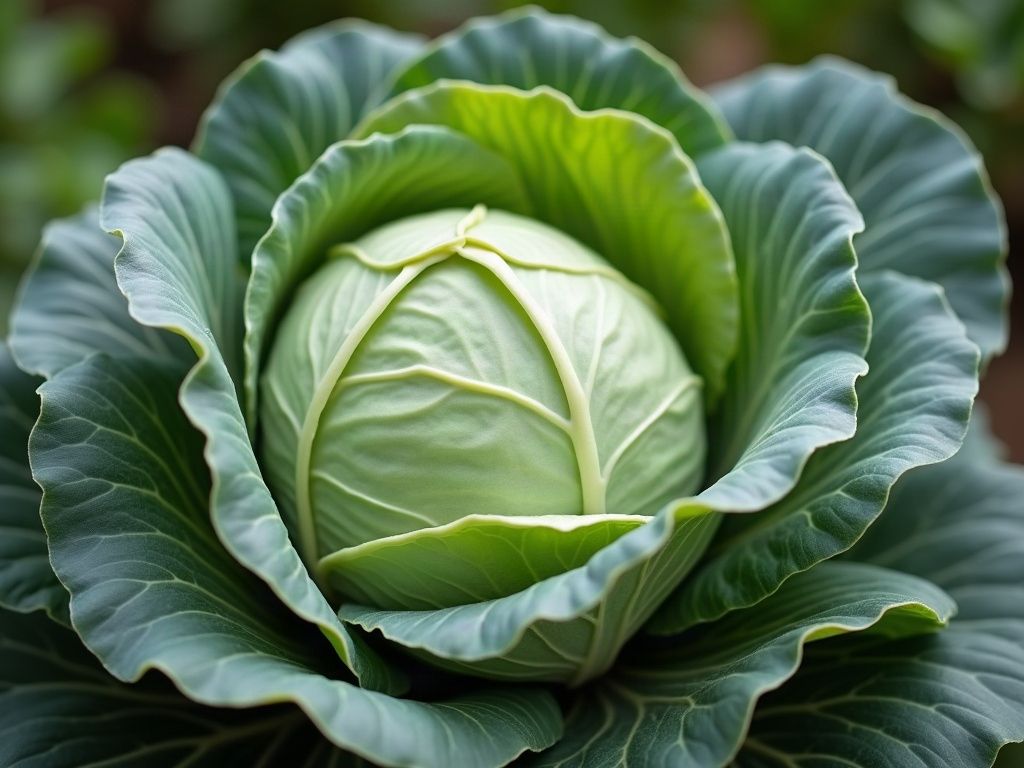
Summer Cabbage
Summer cabbage crops fast in the middle of the year, when the hungry gap is a distant memory and the vegetable patch is otherwise overflowing.
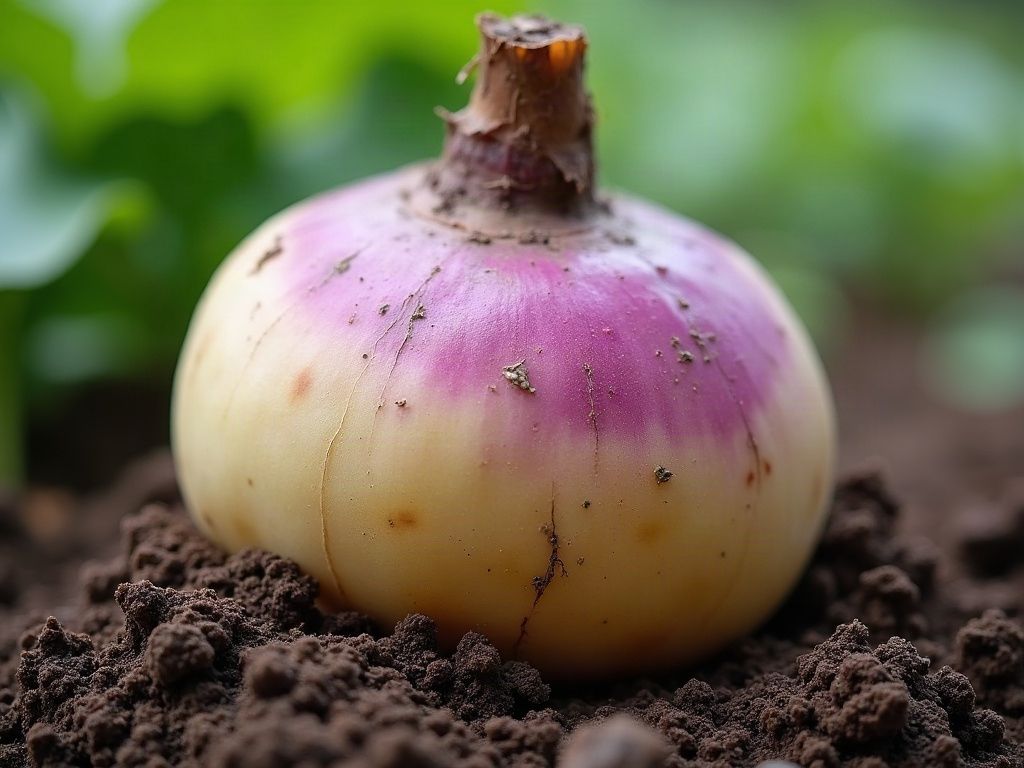
Swede
Swede is a slow, unfussy crop that quietly takes up a corner of the bed all summer and rewards you with a store of dense, sweet roots through winter.
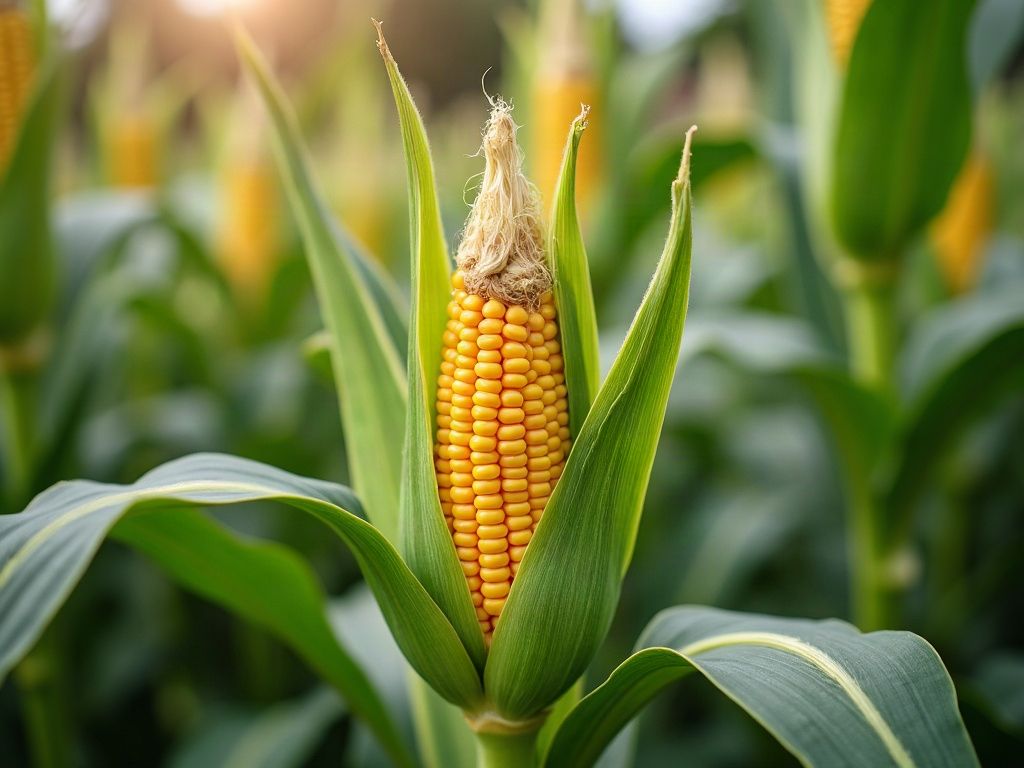
Sweetcorn
Sweetcorn picked and cooked within the hour tastes noticeably sweeter than anything bought, since its sugars start converting to starch the moment it's cut.
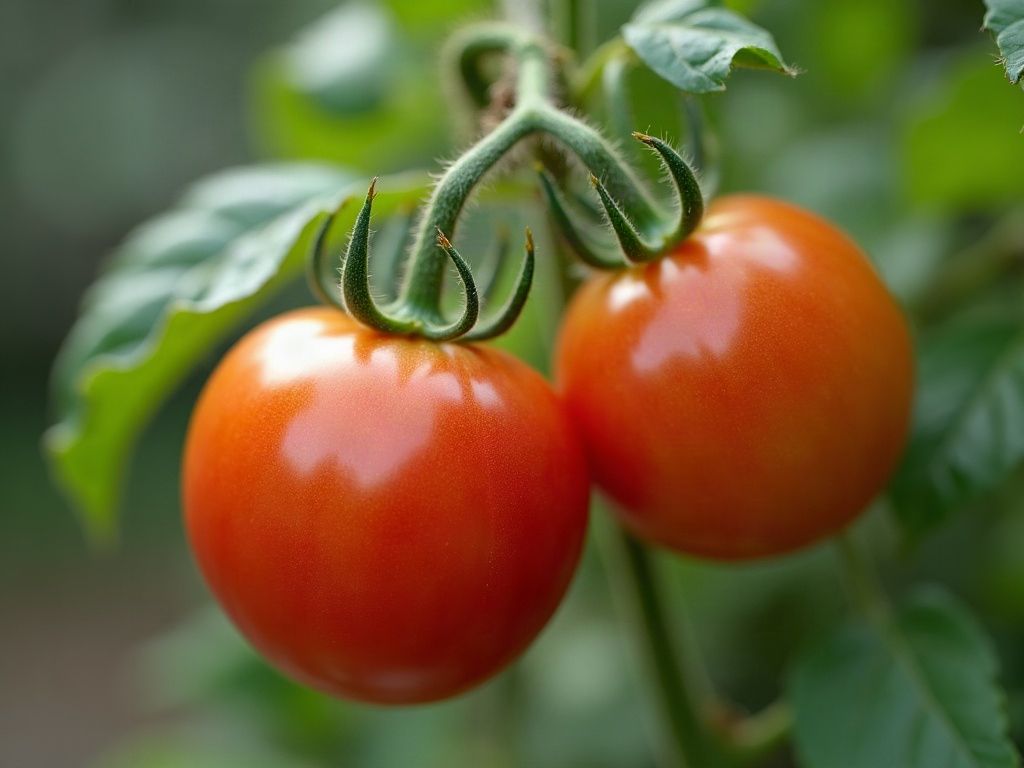
Tomatoes
The taste of a homegrown tomato, still warm from the sun, is the reason most people start growing their own food in the first place.
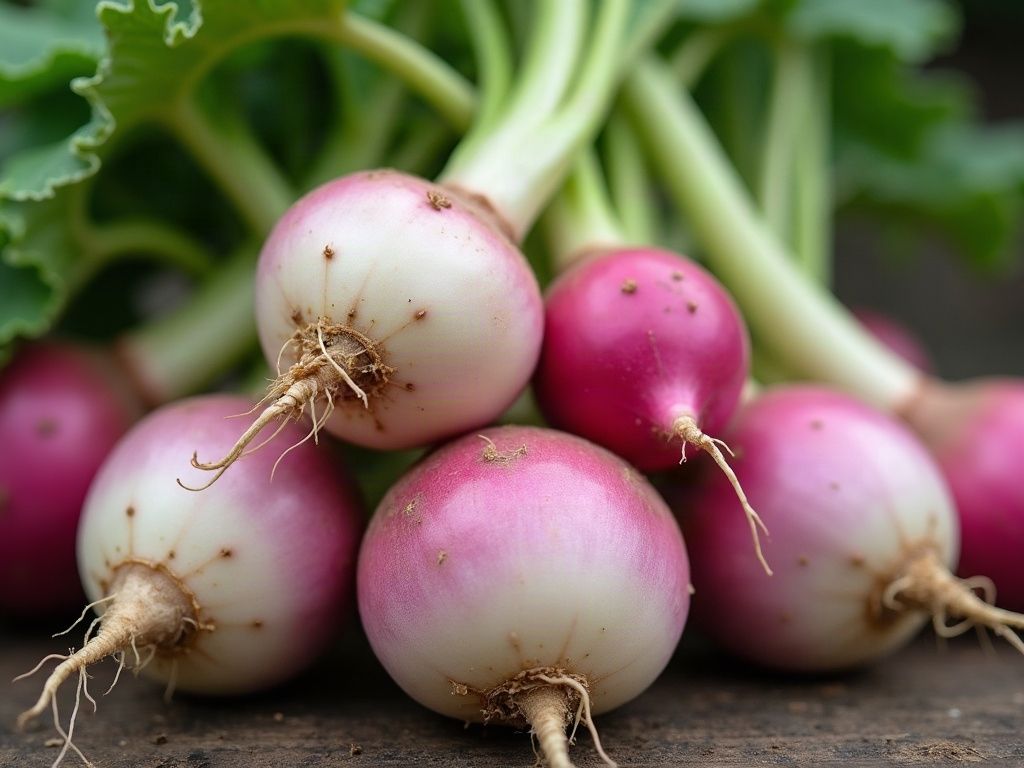
Turnips
Turnips are one of the fastest crops in the vegetable patch — pulled young and golf-ball sized, they're barely related to the tough ones sold for winter storage.
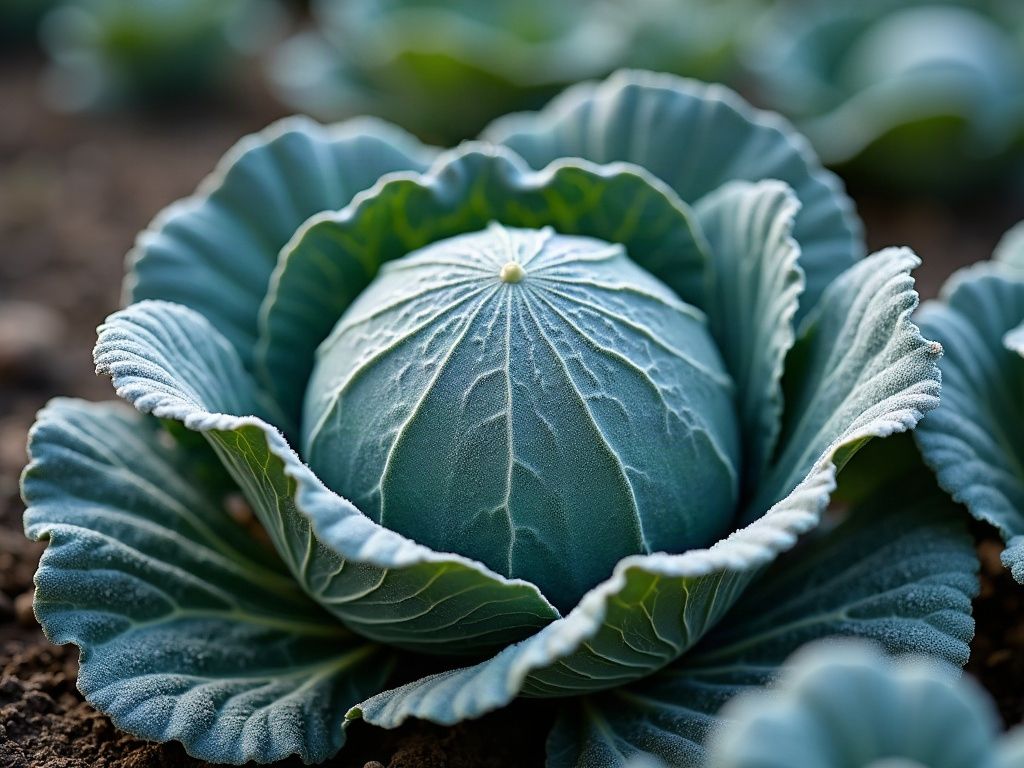
Winter Cabbage
Winter cabbage stands in the ground through the hardest frosts of the year, getting sweeter rather than spoiling as the cold sets in.
Ornamentals
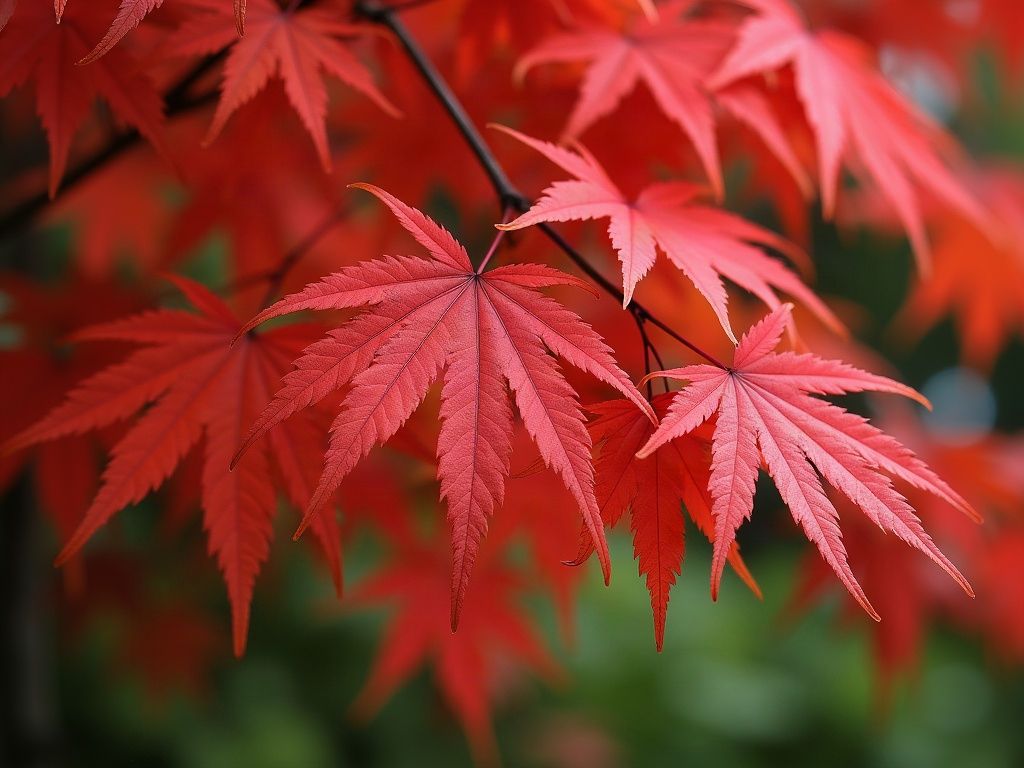
Acer (Japanese Maple)
An acer's delicate leaves are its biggest draw and its biggest vulnerability, scorching easily in wind, sun, or a late frost.
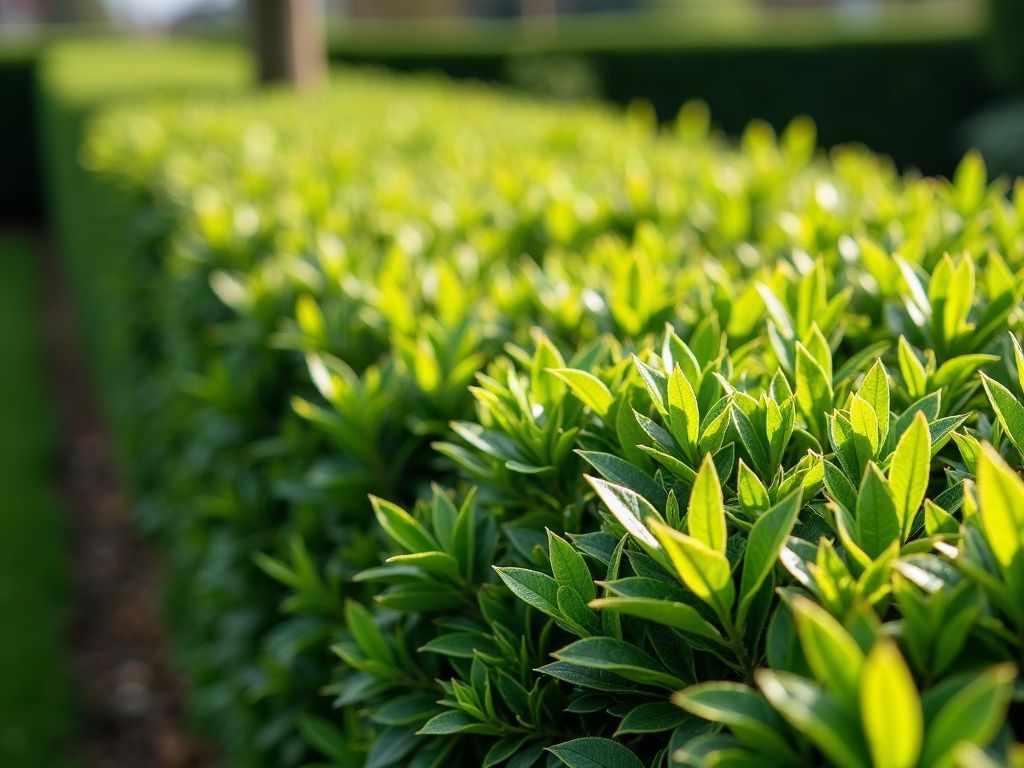
Box (Buxus) Hedging
Box hedging has gone from the lowest-maintenance shrub in the garden to one that needs regular checking, thanks to a single pest.
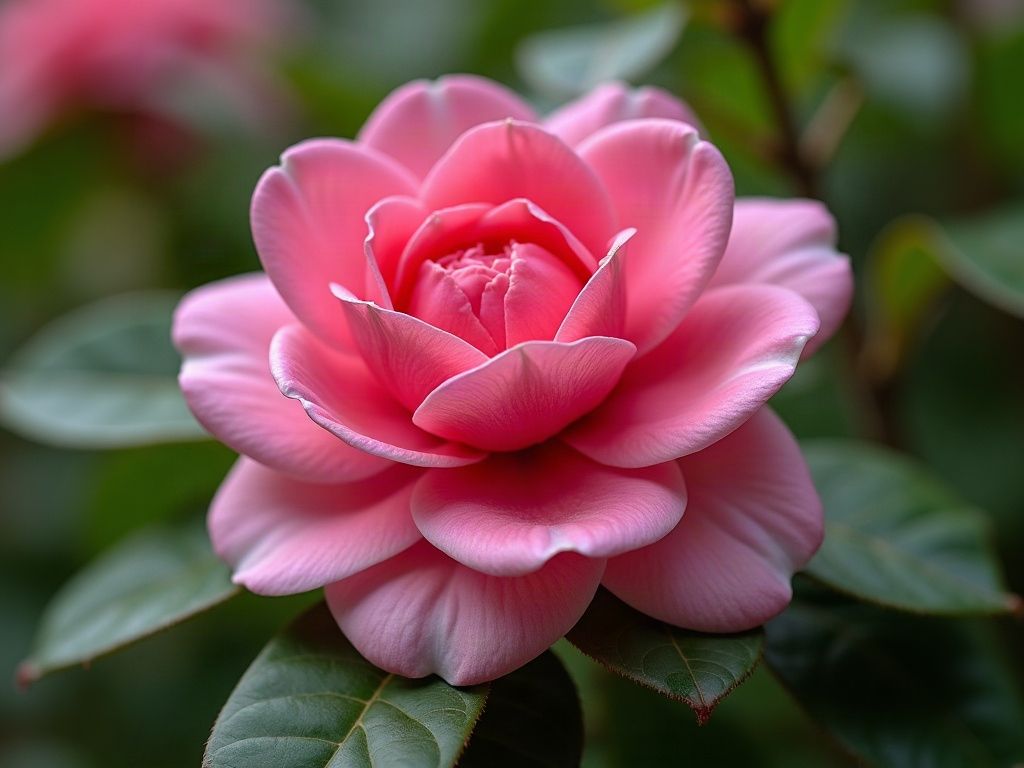
Camellia
A camellia's flowers are often damaged less by the cold itself than by the sun that follows a frosty night.
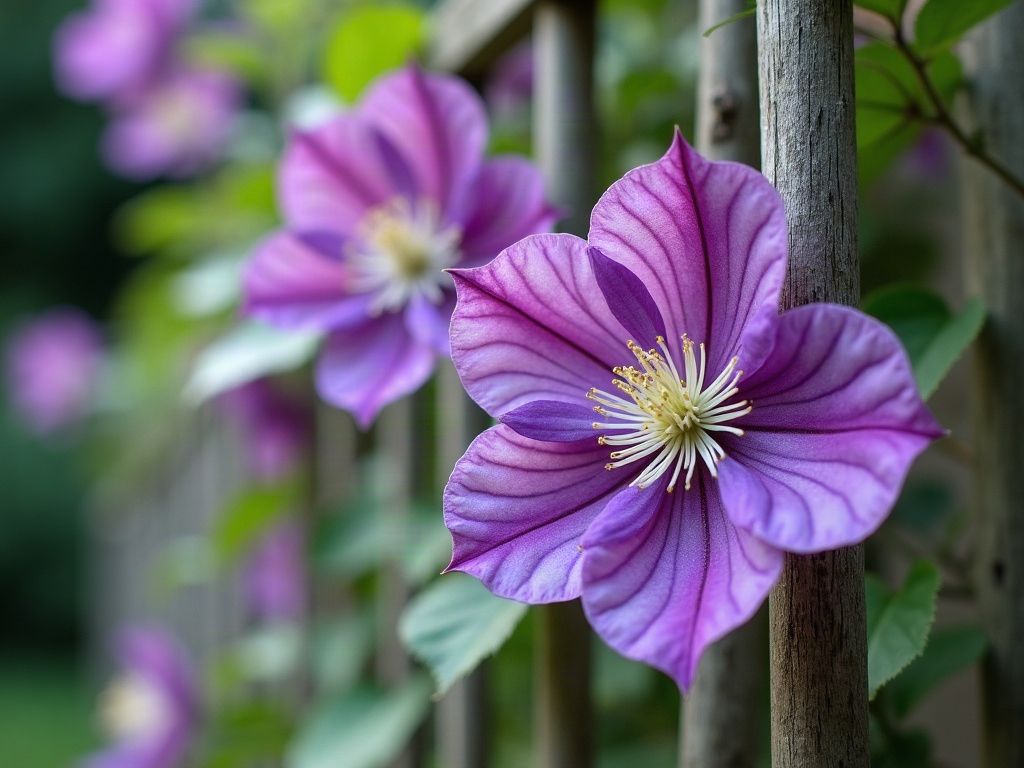
Clematis
Clematis pruning famously has three different groups and three different rules — get it wrong and you lose a season of flowers, not the plant.
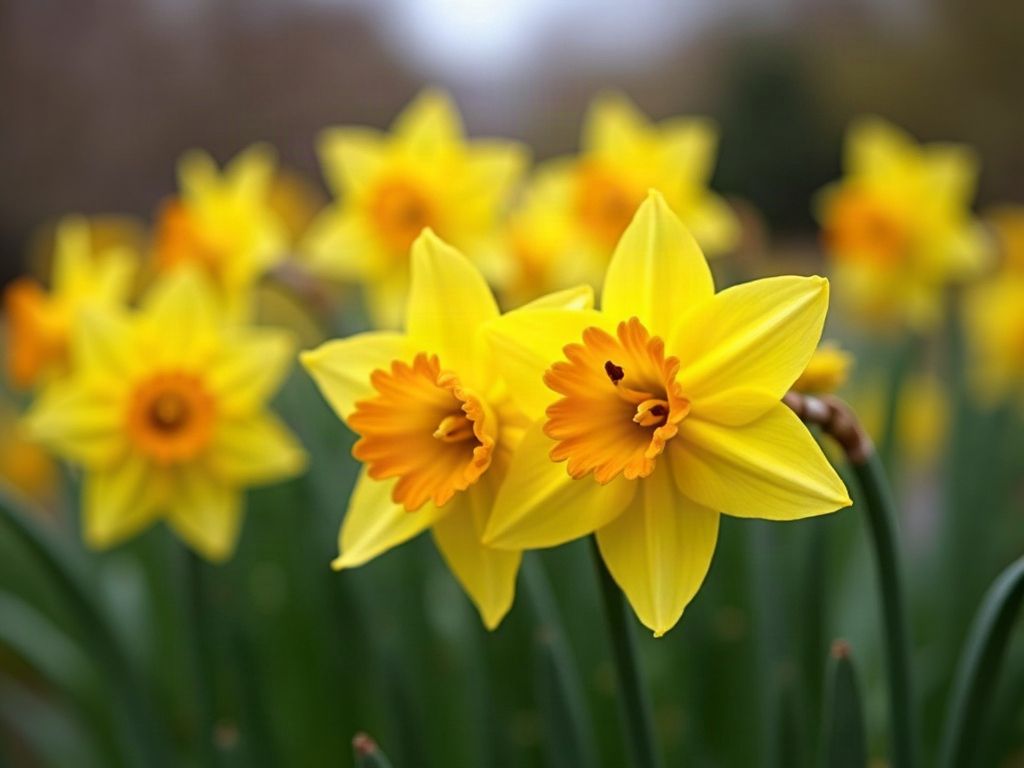
Daffodils & Spring Bulbs
Spring bulbs do almost all their real work underground, months before a single flower shows above the soil.
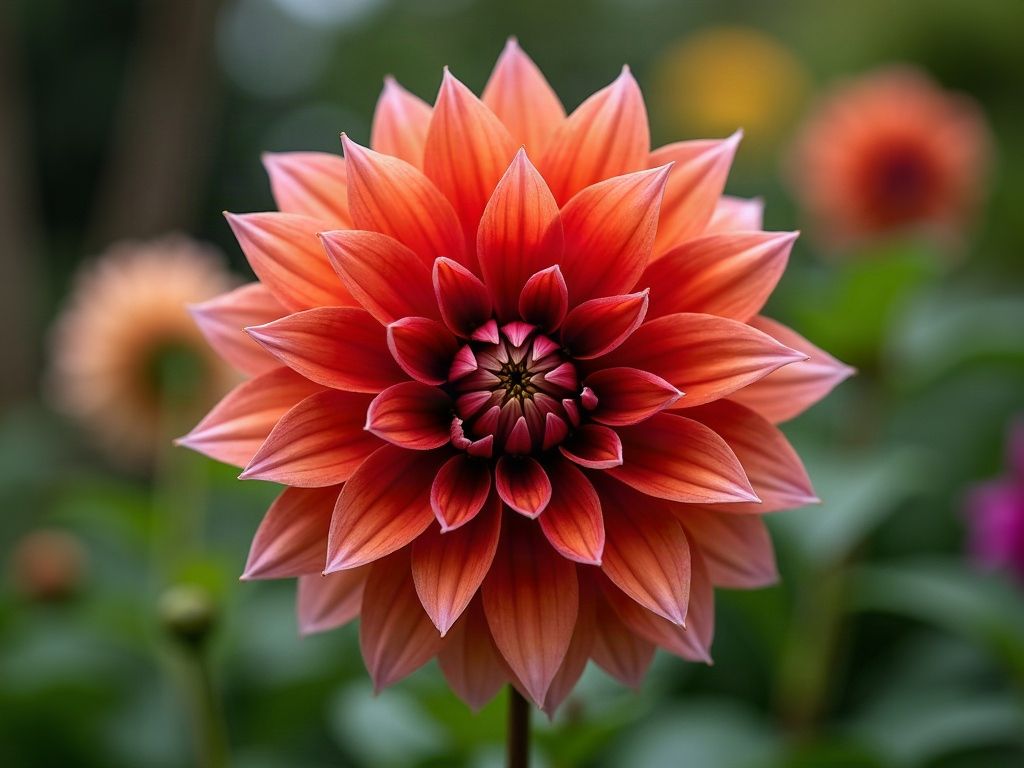
Dahlias
Dahlias will flower right up until the first frost cuts them down, making them one of the last splashes of colour in an autumn garden.
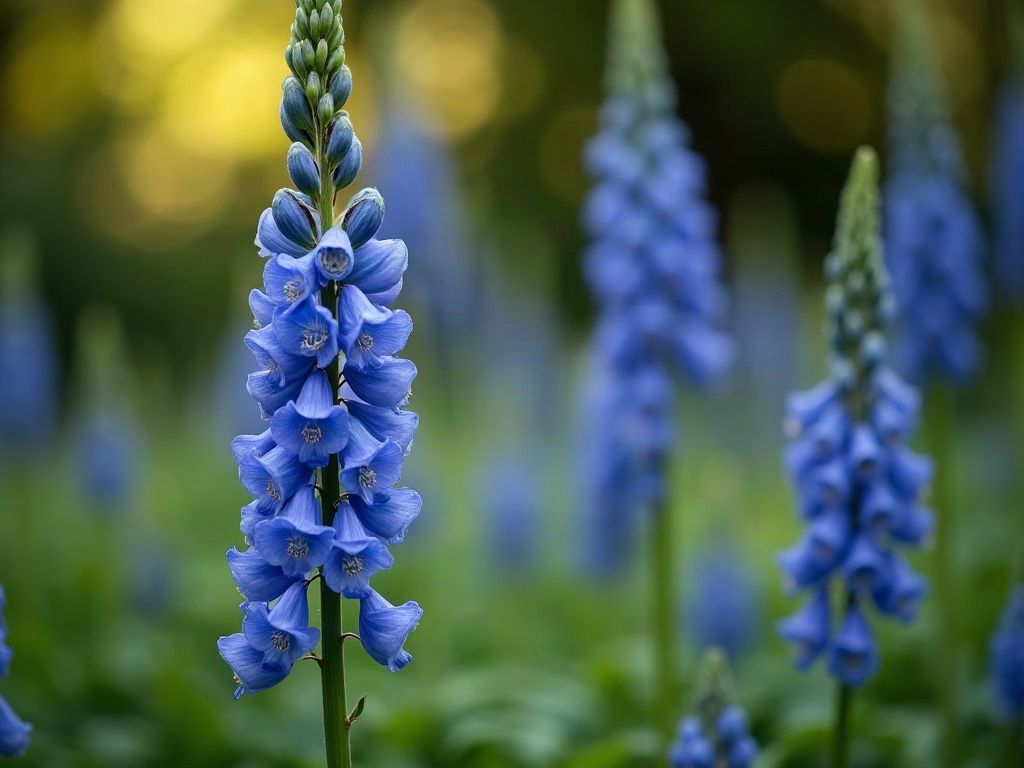
Delphiniums
A delphinium can be reduced to nothing by slugs within its first few weeks, long before the dramatic flower spike most people picture.
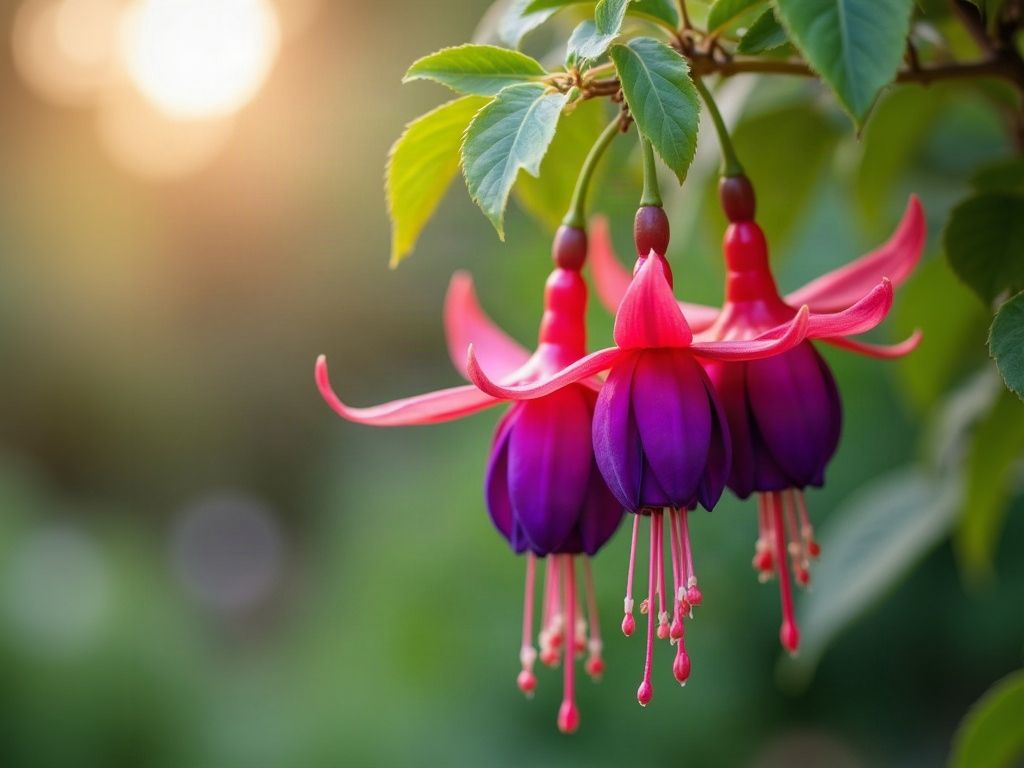
Fuchsia
Whether a fuchsia survives winter outdoors comes down almost entirely to whether it's a hardy or a tender variety — and it's easy to assume the wrong one.
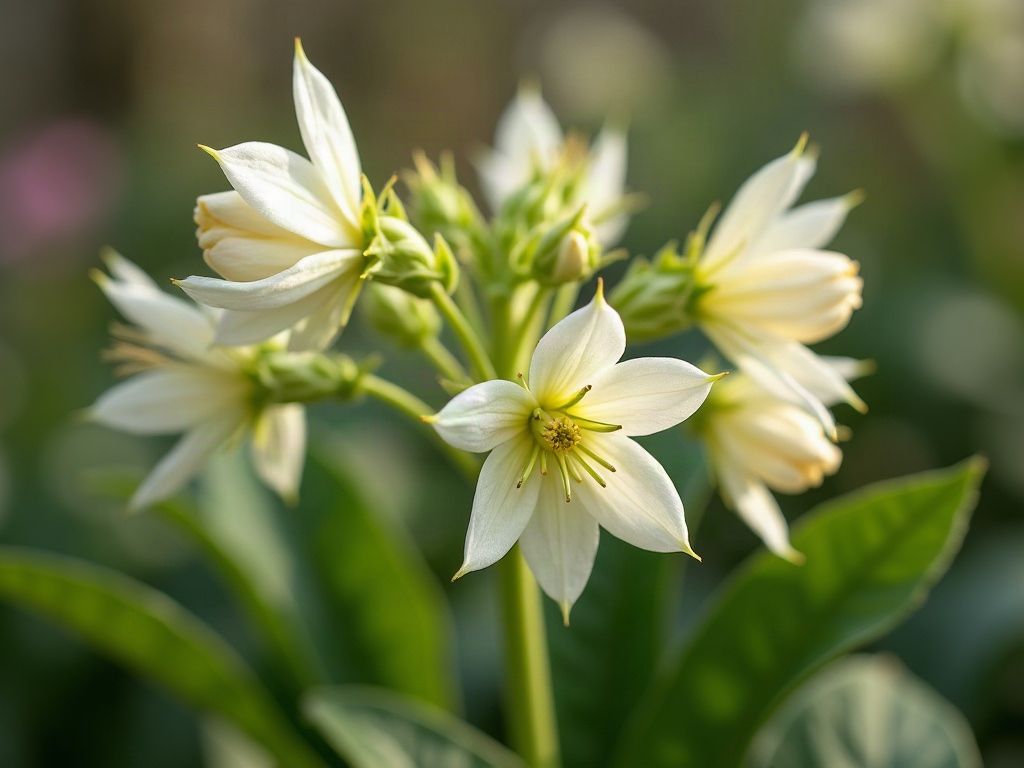
Hellebores
Hellebores flower in the depths of winter, when almost nothing else in the garden dares to.
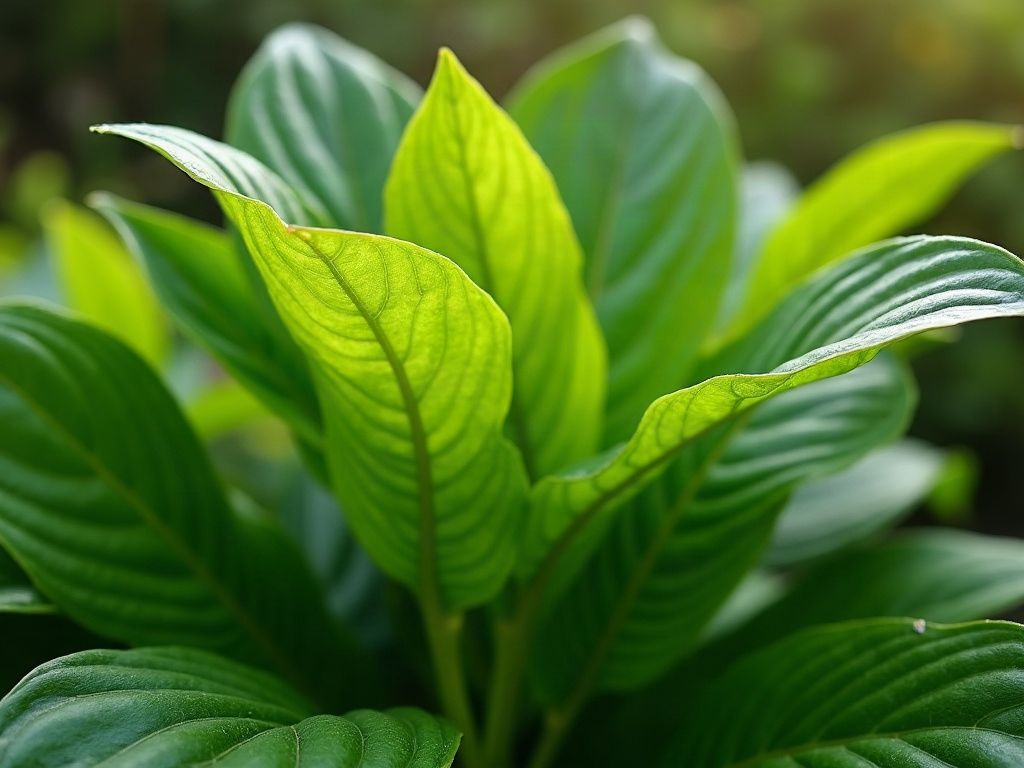
Hostas
A perfect hosta leaf rarely survives a single season without a slug finding it first.
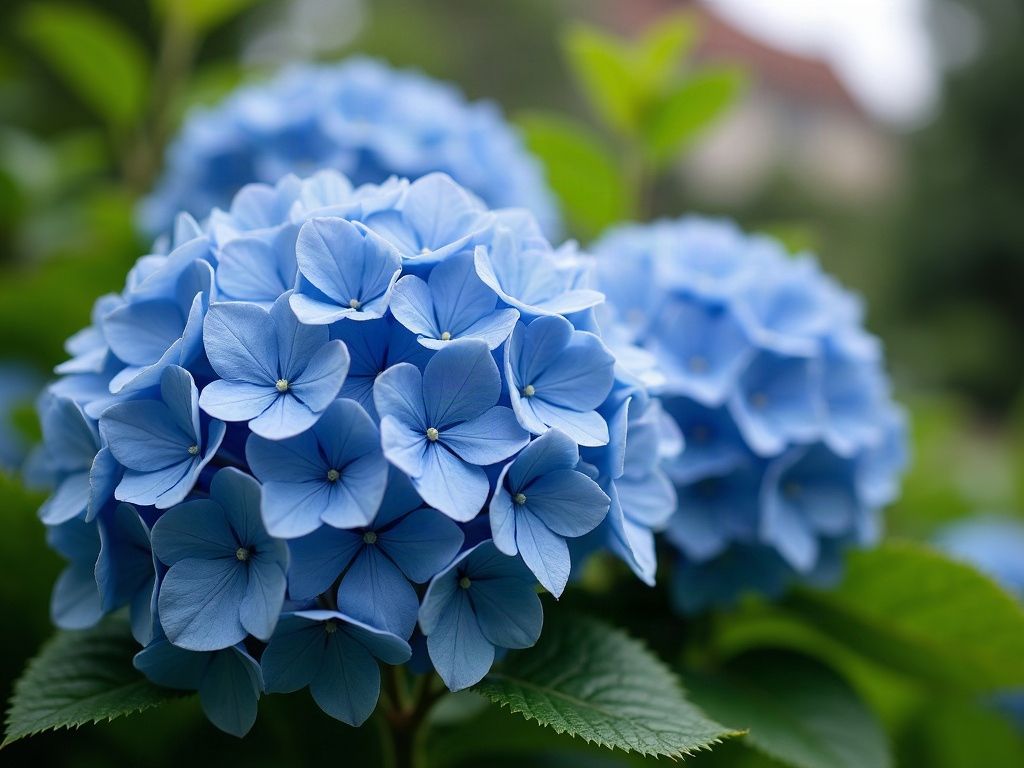
Hydrangea
Hydrangeas hold onto last year's faded flowerheads for a reason — they're quietly protecting next year's buds from frost.
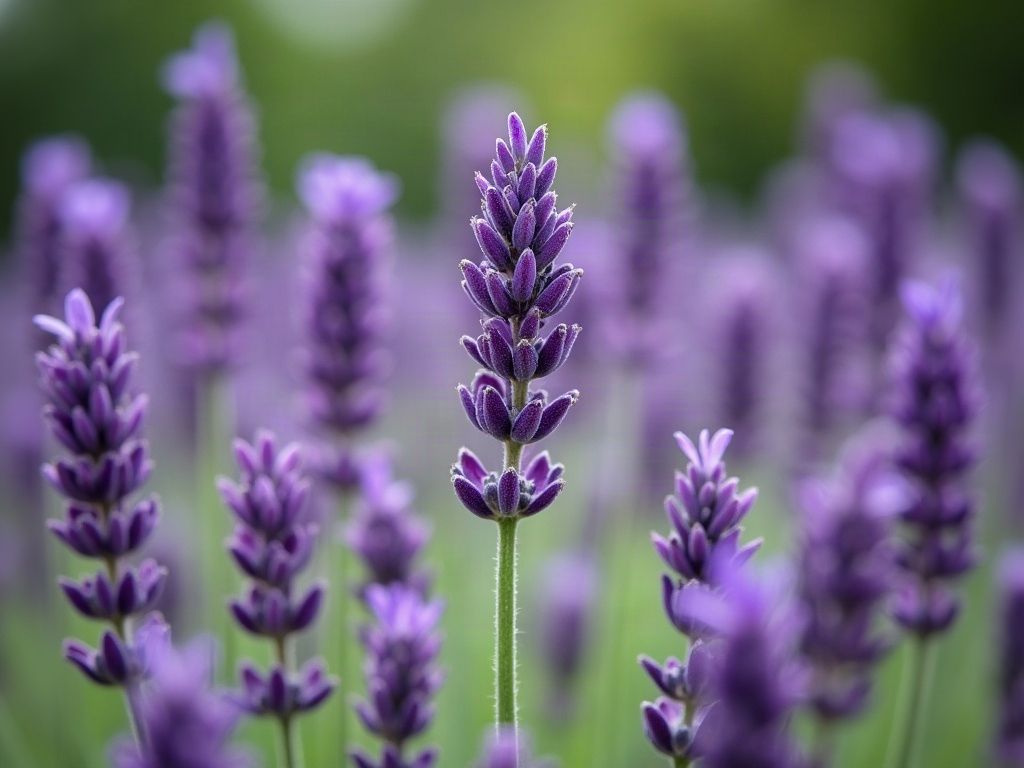
Lavender
Lavender's biggest threat isn't cold or pests — it's kindness, in the form of rich soil and regular feeding.
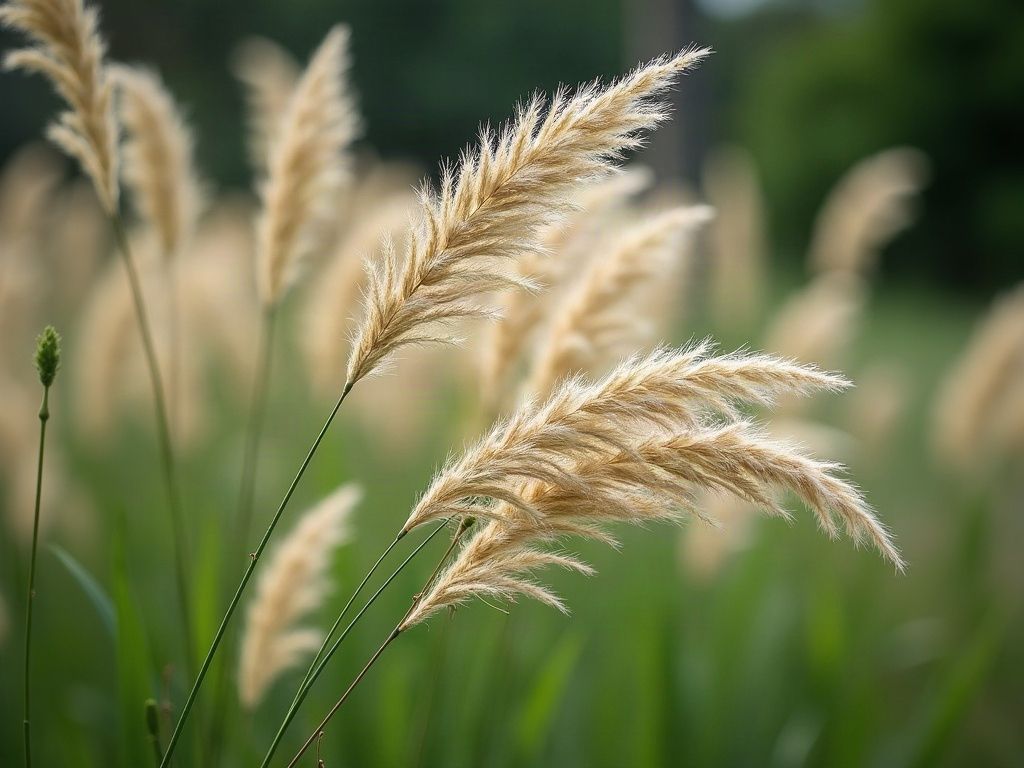
Ornamental Grasses
Ornamental grasses look like they need constant tidying, but most varieties actively prefer being left alone.
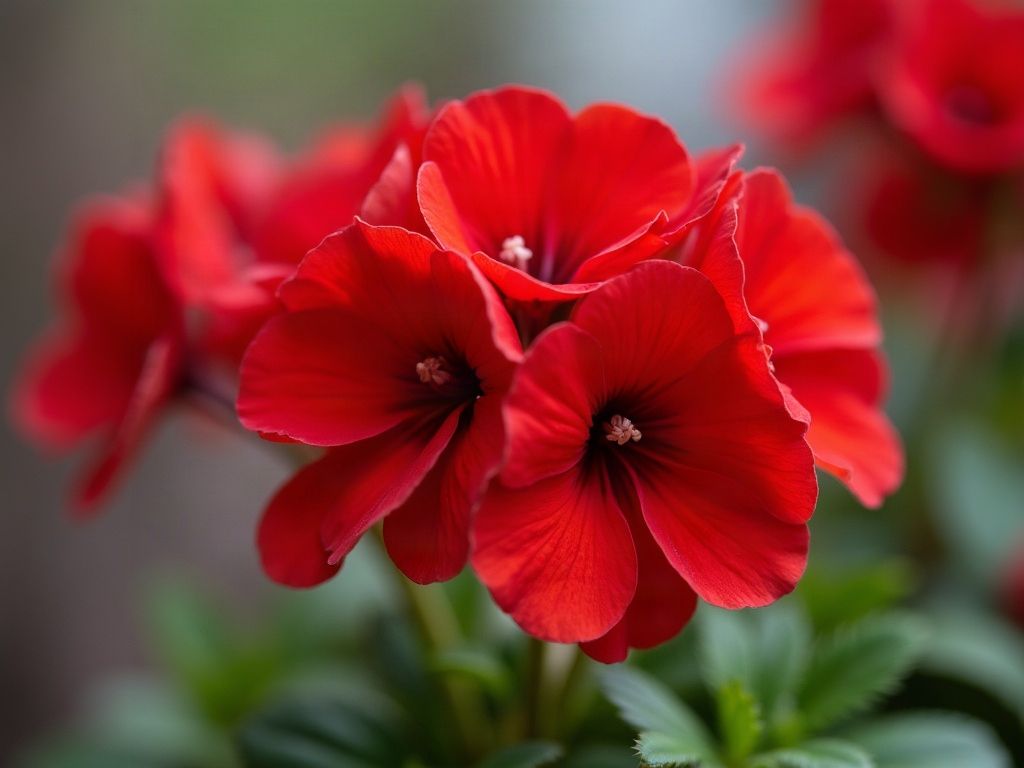
Pelargoniums (Bedding Geraniums)
Pelargoniums are often called geraniums by mistake, and unlike true hardy geraniums, they won't survive a single UK winter outdoors.
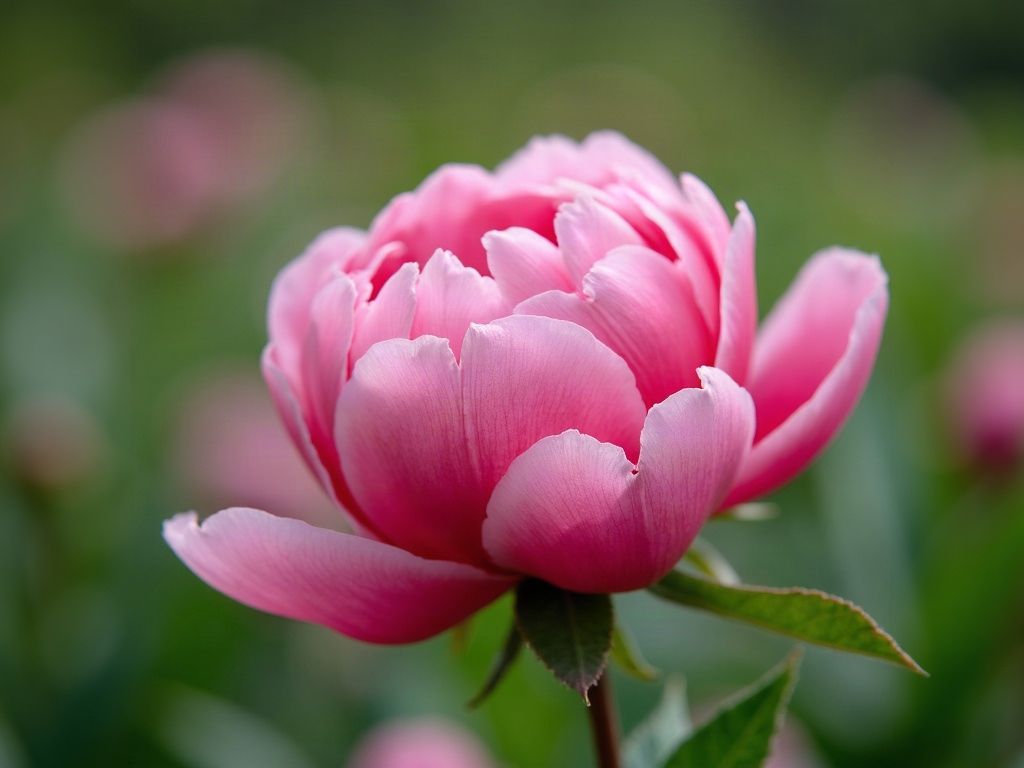
Peonies
A peony that never flowers has almost always been planted too deep — a detail easy to get wrong and slow to notice.
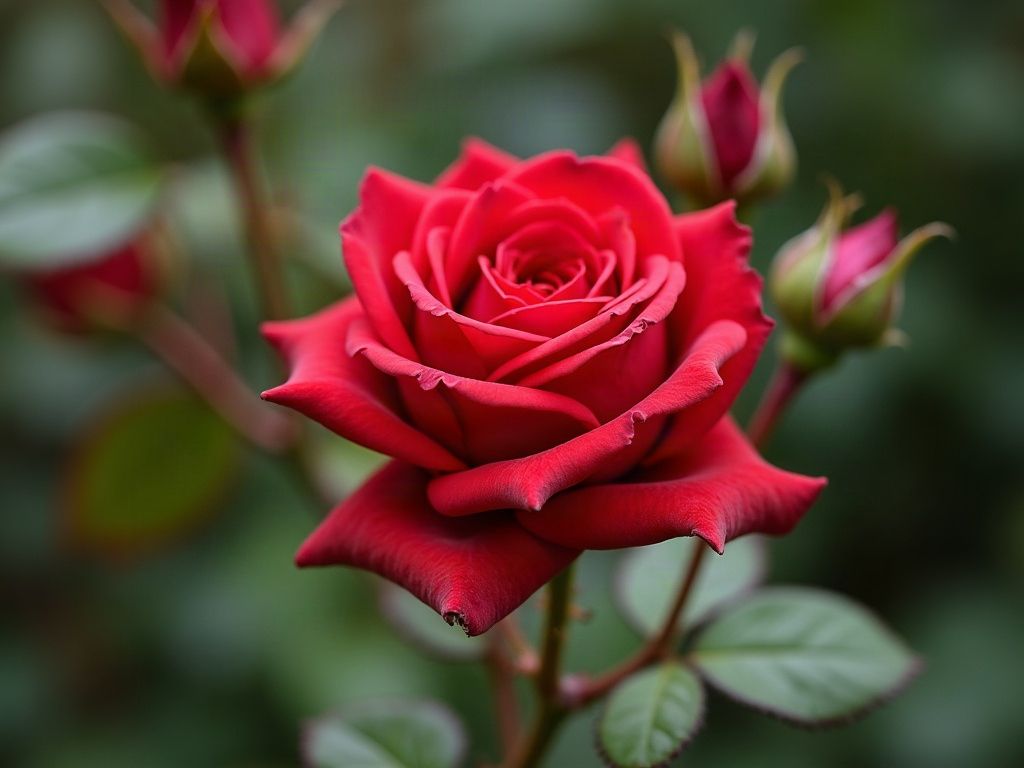
Roses
A rose's reputation for being fussy mostly comes down to two jobs done at the wrong time of year — get the timing right and they're remarkably forgiving.
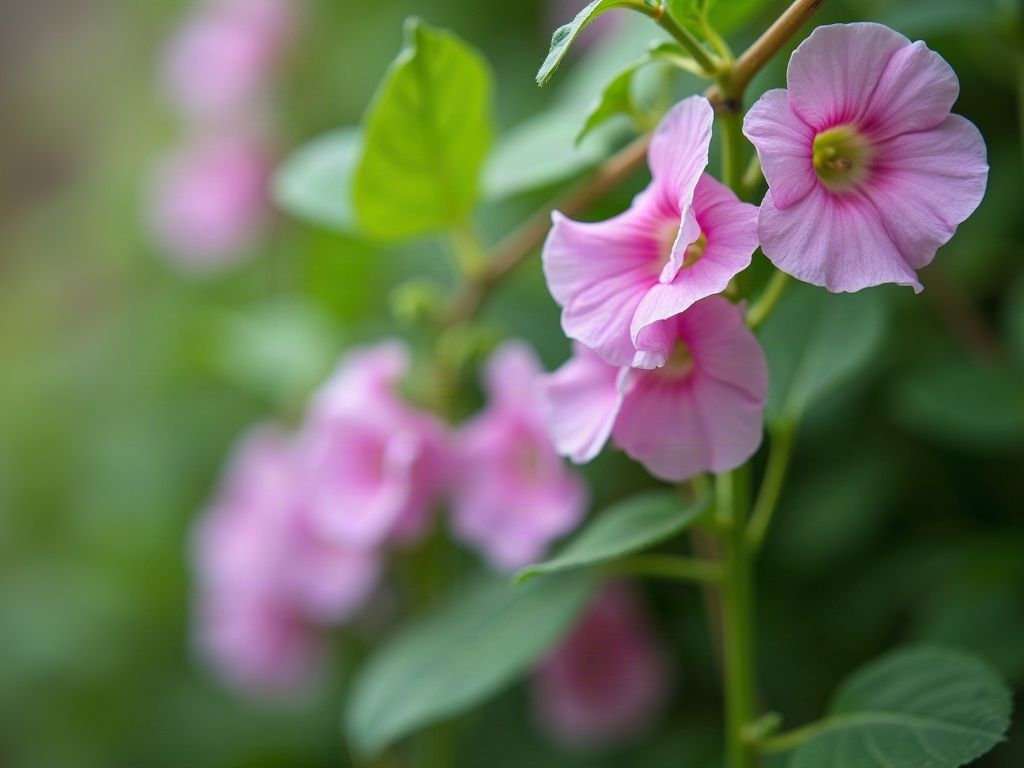
Sweet Peas
An autumn sowing of sweet peas will out-flower a spring one by weeks, for very little extra effort.
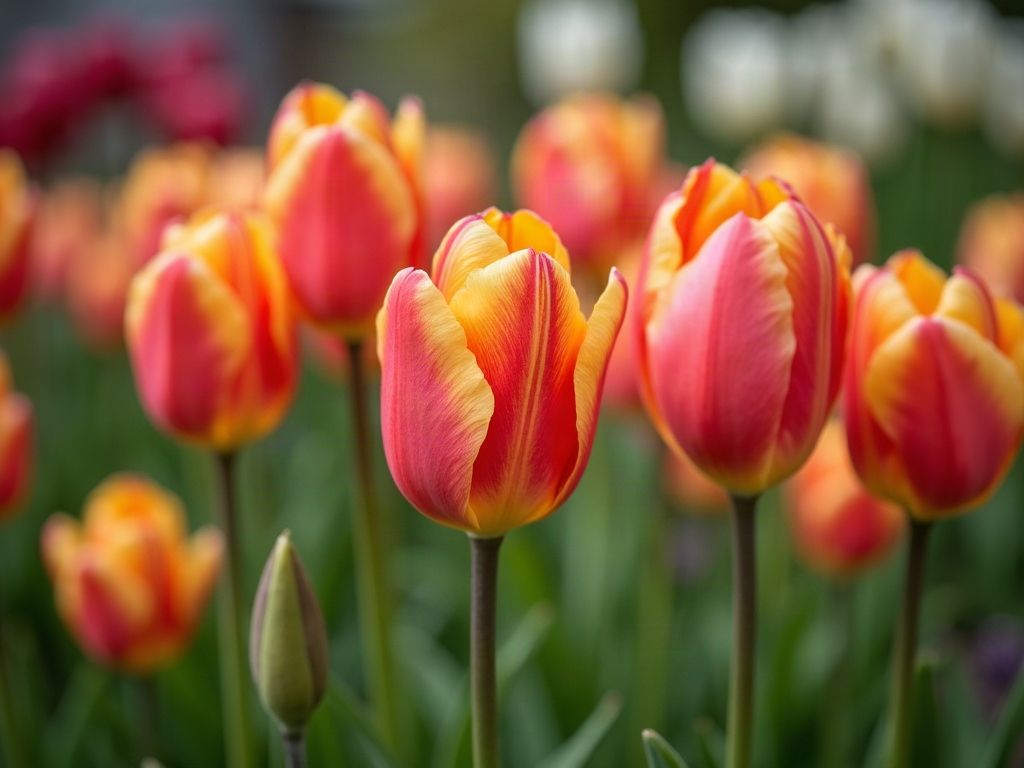
Tulips
Tulips are deliberately planted later than other spring bulbs — the extra cold is what keeps a common disease at bay.
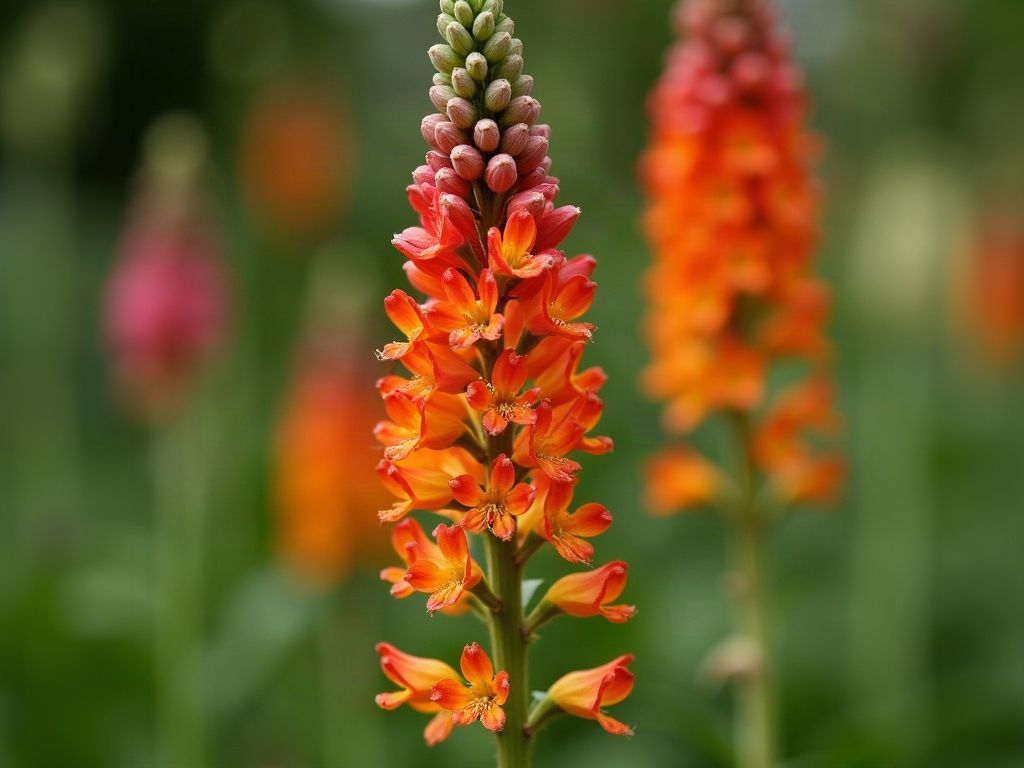
Wallflowers
Wallflowers are sown a full year before they ever flower, which catches out anyone expecting a same-season display.
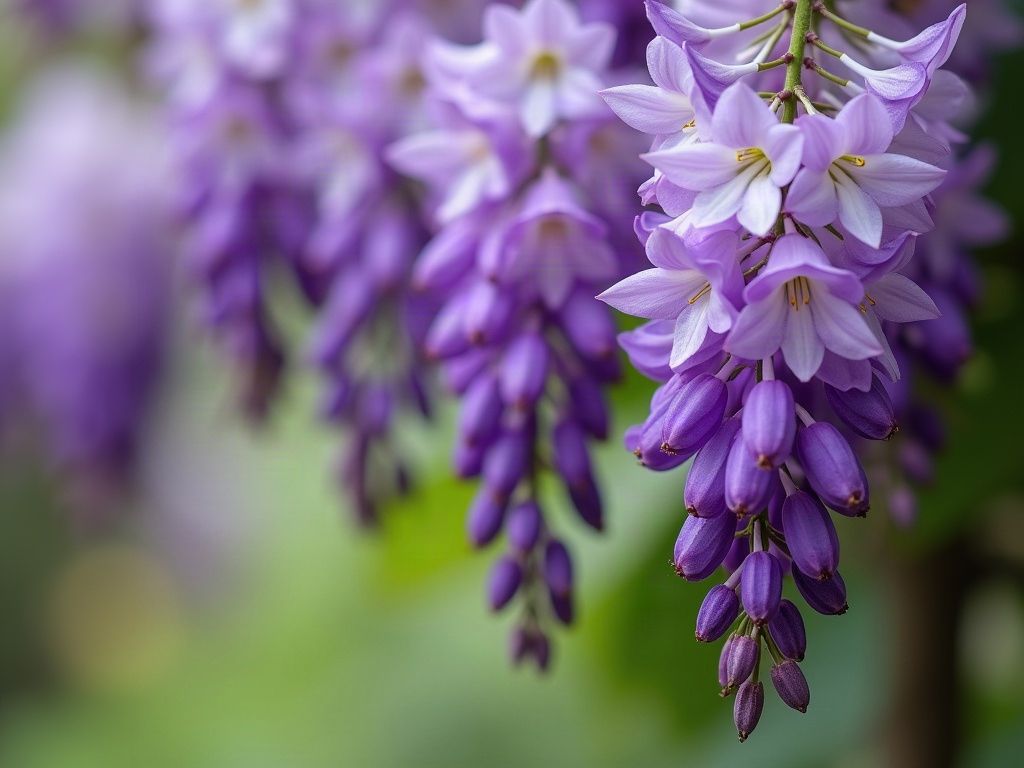
Wisteria
A wisteria that grows vigorously but never flowers has almost always missed its summer prune, not its winter one.
Garden Features
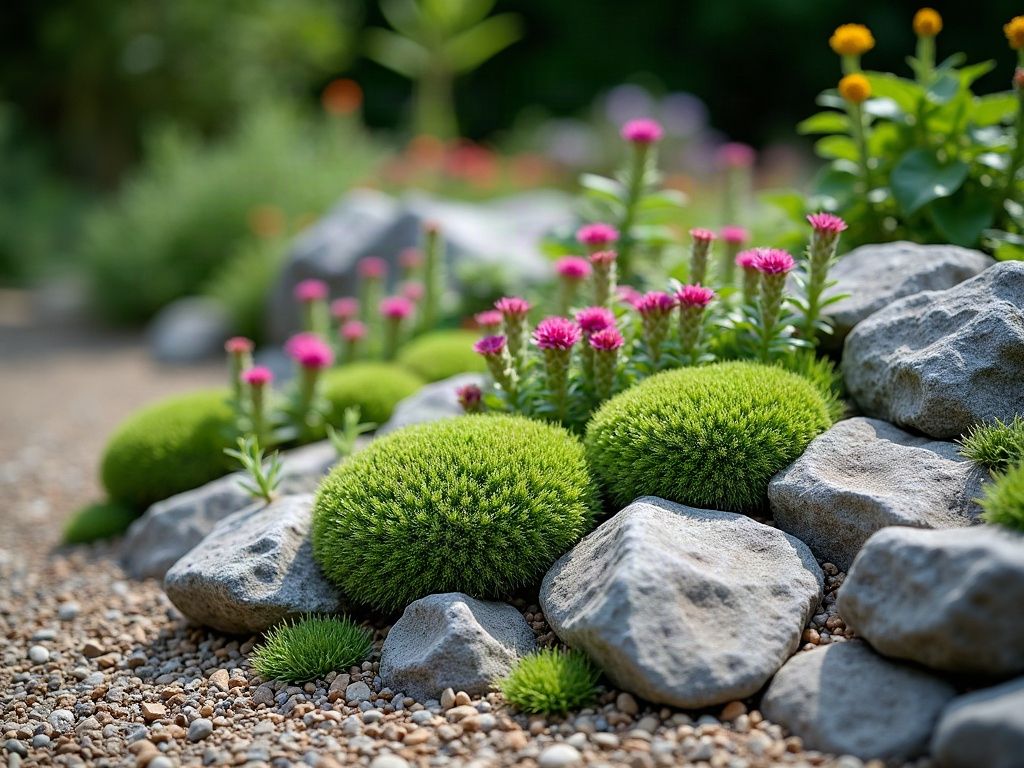
Alpine
Alpines look delicate but are some of the toughest plants you can grow — what actually kills them almost every time isn't cold, it's wet feet in winter.
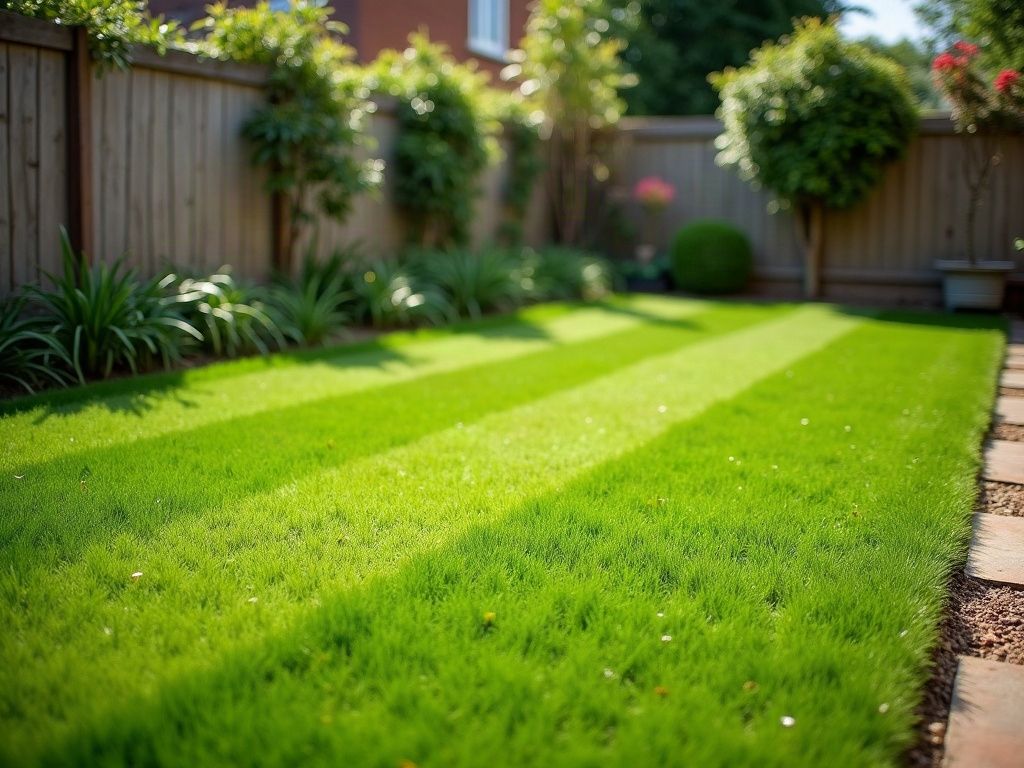
Lawn
A lawn needs far less attention than the weekly-mow-forever reputation suggests — a handful of well-timed jobs a year does most of the work.
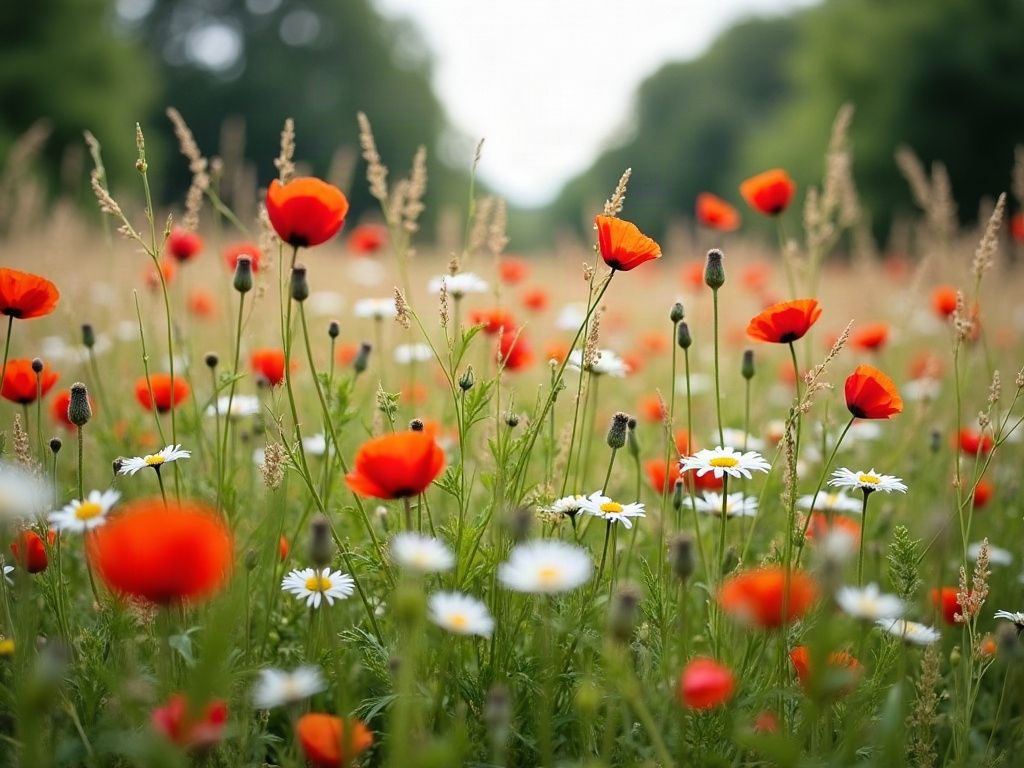
Meadow
A wildflower meadow is the rare garden feature that rewards doing less — the biggest mistake is feeding or cutting it like a lawn.
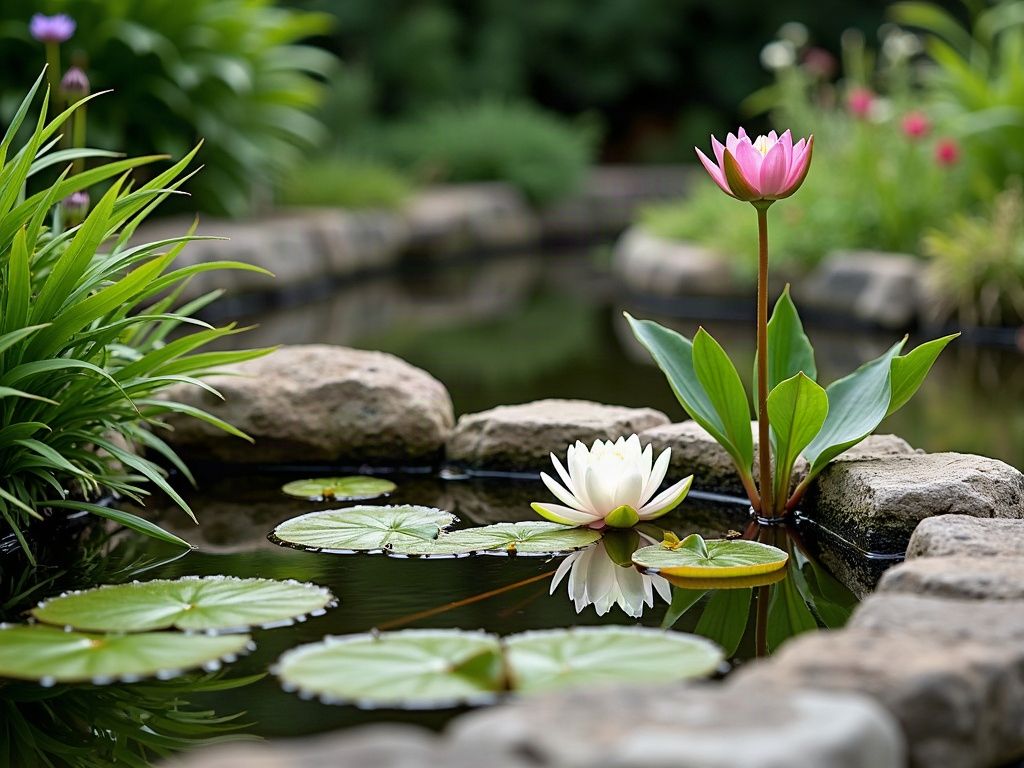
Pond
A garden pond needs remarkably little intervention once established — most of the damage done to one happens from over-managing it, not under-managing it.
Become a better gardener in just 12 emails
Get one email per month with gardening tips on what to plant and do that month.
100% free • No spam • Unsubscribe any time